
The Verdict, Upfront
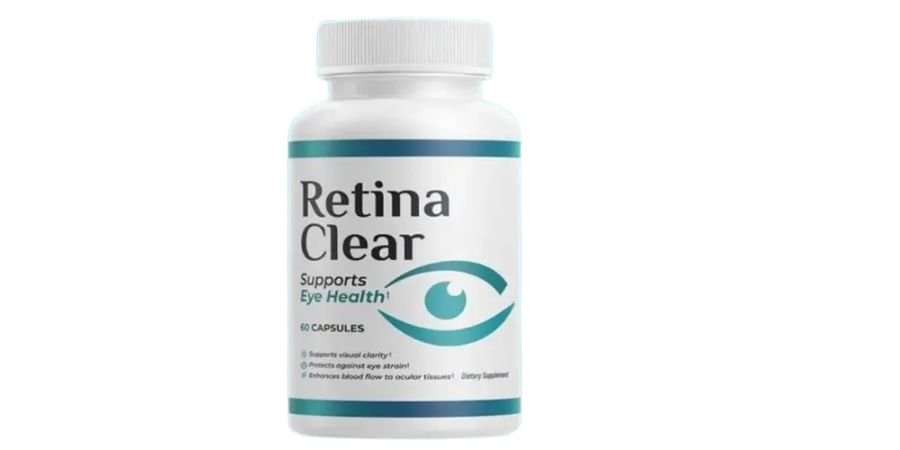
RetinaClear is not a scam in the sense of containing nothing — it’s a real capsule with real, generally safe ingredients. But it is significantly underdosed relative to the research it leans on for credibility, hides its most-marketed ingredients (lutein, zeaxanthin, bilberry) inside an undisclosed 351 mg proprietary blend, and has a documented pattern of refund and customer-service complaints. If you’re buying it hoping for AREDS2-level support for macular degeneration, you are very unlikely to get a clinically meaningful dose of the ingredients that actually matter. If you’re a healthy adult who wants a basic multivitamin-style nutrient top-up with an eye-health theme, it’s a mediocre, overpriced way to get there.
Score: 2/5 — Not dangerous for most healthy adults, but not close to living up to its marketing.
Who This Is For (And Who Should Skip It)
It might be a reasonable (if unremarkable) choice for:
- Adults who already eat a diet low in leafy greens and colorful vegetables and want a general antioxidant/carotenoid top-up
- People looking for a low-dose, low-risk multivitamin with an eye-health angle, who understand it is not a substitute for AREDS2-formula products
- Buyers who plan to order a single bottle, verify the 60-day refund window in writing, and treat it as a low-stakes experiment
You should skip it if:
- You have diagnosed age-related macular degeneration (AMD) or are trying to match the AREDS2 protocol — RetinaClear’s disclosed lutein/zeaxanthin amounts fall far short of the clinically studied dose (more on this below)
- You already take a multivitamin, since overlapping vitamin A, zinc, or copper intake could push you toward the tolerable upper limits
- You’re a current or former smoker — beta-carotene-containing supplements have a documented association with elevated lung cancer risk in this group in large trials
- You’re pregnant or nursing, since several botanical ingredients in the proprietary blend haven’t been evaluated for safety in pregnancy
- You’re on blood thinners, blood pressure medication, or diabetes medication — several ingredients in the blend (ginkgo, alpha lipoic acid, quercetin) have plausible drug interactions
- You want dosage transparency — a proprietary blend means you legally cannot know how much of anything you’re actually taking
Ingredient Analysis: What’s Actually in RetinaClear, and What the Research Says
According to the product’s own supplement facts panel, RetinaClear contains seven individually dosed nutrients plus a 351 mg proprietary blend of fourteen additional compounds listed only in descending order by weight, not by exact amount.
Disclosed nutrients (per capsule): Vitamin A (as beta-carotene, 450 mcg RAE), Vitamin C (90 mg), Vitamin E (15 mg), Zinc (11 mg), Selenium (20 mcg), Copper (0.9 mg), and Chromium (15 mcg).
Undisclosed proprietary blend (351 mg total, exact amounts not public): taurine, ginkgo biloba leaf, eyebright, grape seed extract, coleus forskohlii root, alpha lipoic acid, rutin, quercetin, bilberry fruit extract, saffron stigma extract, lycopene, lutein, zeaxanthin, and astaxanthin.
Lutein and zeaxanthin
These are the two ingredients doing the most marketing work for RetinaClear, and they’re also the two with the strongest actual evidence. The landmark AREDS2 randomized clinical trial tested a formulation containing 10 mg of lutein and 2 mg of zeaxanthin daily and found it helped slow progression in patients who already had intermediate age-related macular degeneration, without raising lung cancer risk the way beta-carotene did. A 10-year follow-up confirmed the benefit held up over time.
The problem: lutein and zeaxanthin are two of fourteen ingredients squeezed into a 351 mg blend. Even if they made up a generous quarter of that blend by weight, that would put the combined total nowhere near the 10 mg of lutein alone used in the trial that made these ingredients famous. There is no way to verify the actual dose from the label, and that is precisely the point of a proprietary blend — it lets a brand list a research-backed ingredient without committing to a research-backed amount.
Bilberry
Bilberry is marketed almost everywhere as a night-vision booster, tracing back to a World War II legend about RAF pilots eating bilberry jam. The actual evidence doesn’t support that story. A systematic review of placebo-controlled trials found that the four most methodologically rigorous, most recent randomized trials on bilberry and night vision were all negative, while the positive results came from older, less rigorous studies. The best-supported use for bilberry extract is modest support for retinal capillary permeability in diabetic retinopathy at doses of 160–320 mg/day — a specific medical context, not a general eye-fatigue claim, and again, RetinaClear’s undisclosed dose of bilberry is only a fraction of a 351 mg blend shared with thirteen other ingredients.
Zinc
At 11 mg, RetinaClear’s zinc dose is actually below the AREDS2 study’s protocol (25–80 mg/day) and below the general adult upper limit of 40 mg/day. This is one of the few places where RetinaClear’s caution is well-placed, since high-dose zinc supplementation carries a well-documented risk of copper deficiency, with case reports describing neurological symptoms like numbness and gait disturbances in long-term users. RetinaClear pairs its zinc with copper for this reason. The tradeoff: at 11 mg, it’s also well under the zinc dose that produced measurable benefit in AREDS2, so you’re getting safety at the cost of relevance to the research being cited.
Vitamin A (as beta-carotene)
At 450 mcg RAE (50% of the daily value), this is a conservative, low-risk dose — nowhere near the levels associated with hypervitaminosis A, which typically requires chronic intake in the tens of thousands of IU range. This is not a safety concern. It is, however, a reminder that a modest multivitamin dose of vitamin A is being marketed under the umbrella of “vision restoration.”
Quercetin
Quercetin has real antioxidant and anti-inflammatory research behind it in other areas (cardiovascular health, metabolic conditions), and one pilot study found it transfers into human tear fluid with plausible relevance to dry eye. But a 2025 review of quercetin in ophthalmic conditions was explicit: despite promising lab and animal data, no clinical trials have yet tested quercetin in actual ophthalmic patients. Its inclusion here is biologically plausible, not clinically proven.
The rest of the blend
Ginkgo biloba, alpha lipoic acid, rutin, coleus forskohlii, saffron extract, lycopene, astaxanthin, taurine, and eyebright each have some preliminary or mechanistic research in eye-adjacent contexts (circulation, oxidative stress, intraocular pressure), but none have large human trials establishing an effective dose for general eye health in the way AREDS2 did for lutein, zeaxanthin, vitamin C, vitamin E, and zinc. Bundling them into a single undisclosed blend makes it impossible to know whether any of them are present at a dose that could plausibly do anything.
Dosage Assessment: Are the Amounts Actually Effective?
This is where RetinaClear runs into its biggest structural problem, independent of whether any single ingredient “works.”
| Ingredient | RetinaClear’s disclosed dose | Clinically studied dose (AREDS2 or best evidence) | Verdict |
|---|---|---|---|
| Lutein | Undisclosed (inside 351 mg blend) | 10 mg/day | Almost certainly underdosed |
| Zeaxanthin | Undisclosed (inside 351 mg blend) | 2 mg/day | Almost certainly underdosed |
| Zinc | 11 mg | 25–80 mg/day | Underdosed relative to trial, but safer |
| Vitamin C | 90 mg | 500 mg/day | Significantly underdosed |
| Vitamin E | 15 mg | ~400 IU/day | Significantly underdosed |
| Bilberry extract | Undisclosed (inside 351 mg blend) | 160–320 mg/day (for capillary permeability, not night vision) | Likely underdosed |
A proprietary blend is, by definition, a dosage-transparency problem. Even generously assuming lutein and zeaxanthin are the two largest components of the 351 mg blend, splitting that total across fourteen ingredients makes it mathematically difficult for any single one to approach its clinically studied amount — especially once you remember several of those fourteen (like grape seed extract or coleus forskohlii, which are often dosed at 100–300 mg on their own in single-ingredient products) would need meaningful weight too.
Compare this to how legitimate AREDS2-style products are sold: with lutein, zeaxanthin, vitamin C, vitamin E, and zinc individually listed in milligrams, so a buyer can check the dose against the trial that made the ingredient famous. RetinaClear’s decision to disclose its weaker, safer nutrients (vitamin A, zinc, copper) individually while hiding its headline ingredients (lutein, zeaxanthin, bilberry) inside a blend is a marketing choice, not an accident.
Side Effect Profile: What the Evidence Says
RetinaClear’s own doses of vitamin A, zinc, and copper are conservative enough that acute toxicity is unlikely for a healthy adult taking the labeled amount. That’s the good news. The realistic risk profile looks more like this:
- Mild GI upset (nausea, stomach discomfort): Reported by some users on public review platforms, plausible given the combination of zinc, alpha lipoic acid, and multiple botanical extracts, especially taken without food.
- Copper/zinc interaction: Even at RetinaClear’s relatively low 11 mg zinc dose, anyone also taking a separate zinc supplement, cold-remedy lozenges, or another multivitamin should watch their total daily zinc intake — cumulative long-term zinc intake above roughly 40 mg/day is linked to copper deficiency, which can cause irreversible neurological symptoms if not caught.
- Ginkgo biloba and blood-thinning medication: Ginkgo has a plausible interaction with anticoagulants and antiplatelet drugs; because the exact dose is undisclosed, patients on these medications can’t accurately assess their risk.
- Beta-carotene and smoking history: Large trials found high-dose beta-carotene supplementation increased lung cancer risk specifically in smokers and former smokers. RetinaClear’s disclosed 450 mcg RAE dose is modest, but anyone with a smoking history should discuss any beta-carotene-containing supplement with a doctor.
- Allergic/capsule sensitivity: The capsule shell uses hypromellose (vegetable-based) with rice flour and magnesium stearate as fillers — generally low-risk, but worth checking if you have specific allergies.
There is no evidence in the research literature of serious toxicity at RetinaClear’s disclosed doses. The bigger practical risk with this product isn’t pharmacological — it’s financial and expectational.
What Real Users Report
Public reviews of RetinaClear (and its close variant “Retina Clear”) on independent platforms like Trustpilot show a fairly consistent split. On the positive side, some users describe subjective improvements in eye comfort or reduced screen fatigue after weeks of consistent use — though these are self-reported and not controlled comparisons. On the negative side, a recurring cluster of complaints centers on three things:
- Lack of noticeable results. Multiple reviewers describe using the product for several months, including at the twice-daily dose, without any perceived change in vision, floaters, or diagnosed conditions like macular degeneration.
- Refund friction. Despite an advertised 60-day (and in some cases longer) money-back guarantee, several public complaints describe being denied a full refund, being told it was “too late” after being encouraged to buy a multi-bottle package, or being charged return shipping and only receiving a partial refund.
- Billing confusion. Because the retailer of record is BuyGoods Inc. rather than RetinaClear directly, some customers report being surprised by an unfamiliar billing descriptor on their card statement, which occasionally led to unnecessary bank disputes.
None of this is unique to RetinaClear — this exact complaint pattern (slow results, hard-to-collect refunds, third-party billing) is extremely common across the direct-to-consumer supplement industry generally. It’s still worth knowing before you buy, and worth documenting your order confirmation and refund request in writing if you do.
Frequently Asked Questions
Is RetinaClear FDA-approved? No. Like all dietary supplements, RetinaClear is not evaluated or approved by the FDA for safety or effectiveness before sale, and it is not permitted to claim it treats, cures, or prevents any disease. Manufacturing in an “FDA-registered” facility refers to facility registration, not product approval.
Does RetinaClear match the AREDS2 formula? No. AREDS2 used disclosed, individually dosed amounts of lutein (10 mg), zeaxanthin (2 mg), vitamin C (500 mg), vitamin E (~400 IU), and zinc (25–80 mg). RetinaClear’s vitamin C, vitamin E, and zinc are individually disclosed but well below those amounts, and its lutein and zeaxanthin are undisclosed, hidden inside a shared 351 mg proprietary blend.
Can RetinaClear reverse or cure vision loss? No credible ingredient in this or any dietary supplement reverses conditions like macular degeneration, cataracts, or age-related vision decline. Marketing language suggesting “restored 20/20 vision” should be treated as a red flag, not a realistic outcome.
Is it safe to take with other vitamins? Possibly not without checking your totals. Because RetinaClear already contains vitamin A, zinc, copper, and selenium, stacking it with a separate multivitamin could push your combined intake toward or past recommended upper limits, particularly for zinc and vitamin A.
How long does it take to work? The company’s own materials suggest evaluating results over a longer window (framed around multi-month use), which is also, not coincidentally, longer than some customers report their refund window effectively allowing for in practice. There is no independent clinical trial establishing a “time to effect” for this specific product.
Is RetinaClear a scam? “Scam” is a strong word for a product that does contain real ingredients at generally safe (if underdosed) amounts. A more accurate description: it’s aggressively marketed relative to what its label actually supports, and it shares the refund and billing complaint patterns common to affiliate-marketed, BuyGoods-processed supplements.
Bottom Line
RetinaClear isn’t dangerous for most healthy adults at the labeled dose, and a few of its ingredients — lutein, zeaxanthin, zinc, vitamin C — have genuinely strong research behind them at the doses used in clinical trials. The core issue is that RetinaClear doesn’t disclose whether you’re getting anything close to those doses. A proprietary blend that hides your headline ingredients, combined with vitamin/mineral amounts that fall well short of the AREDS2 protocol it implicitly trades on, means you’re very likely paying supplement prices for sub-clinical amounts of the ingredients that made this category credible in the first place. If eye health is a real concern — especially if you have diagnosed AMD, diabetic retinopathy, or another eye condition — talk to an ophthalmologist about an AREDS2-formula product with fully disclosed dosages, not a proprietary blend.
References
- Age-Related Eye Disease Study 2 Research Group. Lutein + Zeaxanthin and Omega-3 Fatty Acids for Age-Related Macular Degeneration: The AREDS2 Randomized Clinical Trial. JAMA. 2013;309(19):2005-2015.
- AREDS2 10-year follow-up coverage — Ophthalmology Advisor: https://www.ophthalmologyadvisor.com/news/at-10-years-areds2-with-lutein-and-zeaxanthin-still-effective-and-safe/
- American Optometric Association summary of AREDS2 follow-on data: https://www.aoa.org/news/clinical-eye-care/health-and-wellness/lutein-zeaxanthin-reaffirmed-over-beta-carotene-in-areds2
- Canter PH, Ernst E. Anthocyanosides of Vaccinium myrtillus (bilberry) for night vision — a systematic review of placebo-controlled trials. Survey of Ophthalmology, ScienceDirect: https://www.sciencedirect.com/science/article/abs/pii/S0039625703001280
- NCBI Bookshelf, DARE quality-assessed review of the same bilberry systematic review: https://www.ncbi.nlm.nih.gov/books/NBK71210/
- Plum LM, Rink L, Haase H. The Essential Toxin: Impact of Zinc on Human Health. Int J Environ Res Public Health. 2010. PMC: https://www.ncbi.nlm.nih.gov/pmc/articles/PMC2872358/
- Duncan A, et al. Iatrogenic copper deficiency: risks and cautions with zinc prescribing. British Journal of Clinical Pharmacology, 2023: https://bpspubs.onlinelibrary.wiley.com/doi/10.1111/bcp.15749
- Case report, prolonged zinc use causing copper deficiency — PubMed: https://pubmed.ncbi.nlm.nih.gov/41539972/
- Mayo Clinic, Zinc — drug/supplement safety overview and upper limits: https://www.mayoclinic.org/drugs-supplements-zinc/art-20366112
- StatPearls (NCBI Bookshelf), Vitamin A Toxicity: https://www.ncbi.nlm.nih.gov/books/NBK532916/
- Targeting Senescence, Oxidative Stress and Inflammation: Quercetin-Based Therapy in Age-Related Ocular Disease — Dove Medical Press: https://www.dovepress.com/targeting-senescence-oxidative-stress-and-inflammation-quercetin-based-peer-reviewed-fulltext-article-CIA
- Quercetin and lacrimal gland/tear function pilot study — Frontiers in Nutrition: https://www.frontiersin.org/journals/nutrition/articles/10.3389/fnut.2022.974530/full
- RetinaClear supplement facts label breakdown — Barchart: https://www.barchart.com/story/news/3240795/retinaclear-reviews-complaints-is-this-21-ingredient-eye-support-formula-the-upgrade-screen-weary-adults-want
- RetinaClear ingredient panel breakdown — Human Health Decoded: https://humanhealthdecoded.com/retinaclear-ingredients/
- Public customer reviews of getretinaclear.net — Trustpilot: https://www.trustpilot.com/review/getretinaclear.net
Disclaimer: This article is for informational purposes only and is not medical advice. Consult an ophthalmologist or physician before starting any new supplement, especially if you have a diagnosed eye condition, take prescription medication, are pregnant or nursing, or have a smoking history.