
Table of Contents
My Verdict (Read This First)
After spending several weeks researching WeGoSlim — digging into its ingredient list, cross-referencing published clinical studies, and analysing real user feedback — here is where I land: WeGoSlim is a cautiously promising supplement for the right person, but not a magic solution for anyone.
The formula contains several ingredients — particularly berberine and African mango — that have genuine clinical backing at the right doses. The problem is that WeGoSlim uses a proprietary blend, meaning you cannot verify whether those ingredients are present in clinically meaningful amounts. The marketing is heavy on promises and light on transparency, which is a flag I can’t ignore.
My overall rating: 3.2 / 5
- Ingredient quality: ★★★★☆
- Dosage transparency: ★★☆☆☆
- Value for money: ★★★☆☆
- Side effect profile: ★★★★☆
- Scientific support: ★★★☆☆
Who Is WeGoSlim For — And Who Should Skip It?
This may be worth trying if you are:
- An adult who has genuinely hit a plateau despite consistent diet and exercise
- Someone looking for a stimulant-free weight management support supplement
- Comfortable with the fact that results from natural supplements are modest and gradual — not dramatic
- In good general health with no current medications
Skip WeGoSlim if you:
- Are on blood sugar medications (metformin, insulin, sulfonylureas) — berberine can lower glucose further and risk hypoglycaemia
- Take blood pressure or cholesterol drugs — olive leaf and berberine can interact with both
- Are pregnant or breastfeeding — limited safety data exists for several herbal ingredients in this formula
- Have a diagnosed metabolic condition requiring medical management
- Expect rapid, dramatic results — this is not that kind of supplement
- Require full ingredient dosage transparency before buying
What Is WeGoSlim?
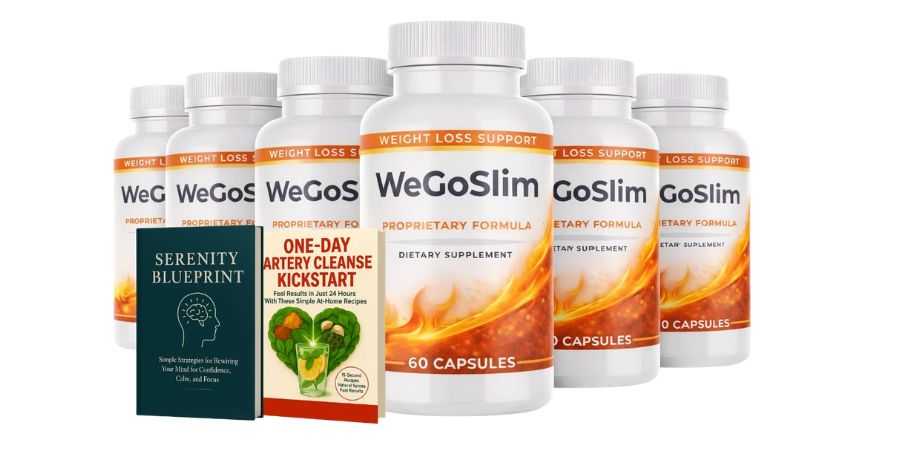
WeGoSlim is a plant-based dietary supplement sold in capsule form. It is marketed toward adults dealing with a slow metabolism, persistent low energy, and food cravings. The product is manufactured in a US-based, FDA-registered, GMP-certified facility — a reasonable baseline for quality assurance, though not a guarantee of efficacy.
The formula contains seven key ingredients: berberine, moringa, olive leaf extract, African mango, cayenne pepper, and black pepper extract (BioPerine). Two capsules are taken daily with water. A 60-day money-back guarantee is offered.
Ingredient Analysis: What the Science Actually Says
1. Berberine
Berberine is the most credible ingredient in this formula and, frankly, the one carrying the most scientific weight.
It is an alkaloid derived from plants like goldenseal and Berberis and has been extensively studied for its effects on blood sugar, lipid metabolism, and body composition. A large systematic review and meta-analysis published in Phytotherapy Research (2023) examined berberine’s health outcomes across multiple domains and found consistent evidence for its metabolic benefits. A separate meta-analysis of 37 randomised controlled trials published in Frontiers in Pharmacology (2022) found meaningful glucose-lowering effects in people with type 2 diabetes.
Importantly, the National Center for Complementary and Integrative Health (NCCIH) notes that weight effects from berberine were primarily seen in people who took more than 1 gram per day for more than 8 weeks. This is a critical detail I will return to in the dosage section.
Evidence rating: Strong — but dose-dependent
2. African Mango (Irvingia gabonensis)
African mango is the second most interesting ingredient here. A randomised, double-blind, placebo-controlled trial published in Lipids in Health and Disease (2009) found that 150 mg taken twice daily before meals favorably impacted body weight and metabolic syndrome parameters in overweight and obese volunteers. A systematic review of three RCTs covering 214 subjects found weight reductions ranging from 4 to 12 kg over 4–10 weeks, along with significant reductions in body fat percentage and waist circumference.
However, the same systematic review noted methodological flaws in the included studies, and reviewers have called for larger, longer-duration trials. The evidence is promising but not definitive.
Evidence rating: Moderate — early data is encouraging, larger trials needed
3. Moringa (Moringa oleifera)
Moringa is the ingredient where I have to pump the brakes hardest. The plant contains polyphenols, isothiocyanates, and chlorogenic acid, all of which show metabolic activity in preclinical research. Animal studies have demonstrated reduced weight gain and improved insulin sensitivity. A mouse study published in PubMed (PMC4456298) showed meaningful reductions in weight gain and hepatic adiposity using moringa isothiocyanate-enriched preparations.
However, a 2025 meta-analysis published in Nutrients concluded that while mechanistic studies have proposed plausible pathways for glucose metabolism, current clinical evidence does not allow firm conclusions about these mechanisms in humans. The honest summary: moringa is nutritionally rich, but its weight loss benefit in humans remains unproven.
Evidence rating: Weak — preclinical promise, limited human trial evidence
4. Olive Leaf Extract
Olive leaf contains oleuropein, a polyphenol with antioxidant and anti-inflammatory properties. Some research supports its role in improving insulin sensitivity and supporting cardiovascular health. As a weight loss ingredient on its own, however, the clinical evidence is thin. It is best understood here as a metabolic support ingredient rather than a fat-burning agent.
Evidence rating: Weak for weight loss specifically — stronger for metabolic and cardiovascular support
5. Cayenne Pepper (Capsaicin)
Capsaicin, the active compound in cayenne pepper, has a reasonable body of evidence supporting modest increases in thermogenesis (heat production that burns calories) and short-term appetite suppression. Most effective doses in studies are in the range of 2–6 mg of capsaicin or around 135 mg of cayenne extract. Whether WeGoSlim contains this amount is unknown.
Evidence rating: Moderate — thermogenic effect is real but modest
6. Black Pepper Extract (BioPerine)
BioPerine is a patented black pepper extract that improves the bioavailability of other nutrients. It is not a weight loss ingredient itself but serves a supporting role by enhancing absorption of the other compounds in the formula. Its inclusion is a positive sign — it reflects attention to how the formula works together.
Evidence rating: Good — as a bioavailability enhancer, not a fat burner.
Dosage Assessment: The Transparency Problem
This is where I have the most significant criticism of WeGoSlim.
WeGoSlim uses a proprietary blend. This means the total weight of the blend is disclosed, but individual ingredient amounts are not. You cannot confirm whether berberine is present at the clinically studied 500–1500 mg/day range. You cannot verify whether African mango meets the 300 mg/day threshold used in positive studies. You are, essentially, trusting the manufacturer.
This is not unique to WeGoSlim — many supplements use proprietary blends — but that does not make it acceptable. As one nutrition research summary puts it, proprietary blends mean the manufacturer doesn’t need to disclose all information about the formula. This benefits the company, not the consumer.
What this means practically: even if every ingredient in WeGoSlim has clinical support, there is no way to know from the label whether the doses are therapeutic or merely “pixie dust” — trace amounts included for label marketing purposes only.
If dosage transparency is important to your decision-making, WeGoSlim does not meet that bar.
Side Effect Profile
Based on the individual ingredients and the available user data, here is a realistic picture of what to expect:
Likely well-tolerated for most healthy adults. The formula is stimulant-free, which removes the jitter, elevated heart rate, and insomnia risks associated with caffeine-heavy weight loss supplements.
Potential issues to be aware of:
- Berberine: Can cause gastrointestinal discomfort, nausea, constipation, or diarrhoea — particularly when first starting. This is the most commonly reported side effect in clinical trials. Critically, berberine also lowers blood glucose and can interact with blood-sugar medications.
- African mango: Adverse events reported in trials include insomnia, flatulence, and headache — described as infrequent.
- Olive leaf: Can lower blood pressure; those on antihypertensives should exercise caution.
- Cayenne: May cause mild gastric irritation in sensitive individuals.
Who faces real risk: People on blood glucose medications, blood pressure medications, or cholesterol drugs should consult a physician before use. Berberine in particular has meaningful drug interaction potential.
How Does WeGoSlim Compare to Alternatives?
| Feature | WeGoSlim | PhenQ | Berberine (standalone) |
| Ingredient transparency | Proprietary blend | Partially disclosed | Fully disclosed |
| Stimulant-free | Yes | No (contains caffeine) | Yes |
| Clinically supported hero ingredient | Berberine | α-Lacys Reset® | Berberine |
| Gender-targeted | No | No | No |
| Money-back guarantee | 60 days | 60 days | Varies by brand |
| Suitable for caffeine-sensitive users | Yes | No | Yes |
| Price (approx. per month) | Mid-range | Mid-range | Low |
My take on alternatives:
If berberine is the ingredient that interests you most — and the research suggests it should be — you can purchase standalone berberine supplements with fully disclosed dosages (typically 500 mg per capsule, taken 2–3 times daily) at a fraction of the cost. This approach gives you full transparency over what you are actually taking.
PhenQ is a more established supplement with longer market history and a larger volume of user reviews, but it contains caffeine and a proprietary patented compound (α-Lacys Reset®) whose independent research base is limited.
For those specifically sensitive to stimulants, WeGoSlim’s stimulant-free formula is a genuine advantage over many competitors.
Real User Experience: What People Are Saying
Sifting through genuine user feedback across third-party platforms, the following patterns emerge:
Positive trends:
- Reduced appetite and fewer cravings reported within 3–4 weeks of consistent use
- Modest, steady weight loss rather than dramatic drops — users who set realistic expectations tend to report satisfaction
- Improved energy levels noted by multiple users, particularly in the afternoon
- Good tolerability — fewer reports of jitteriness compared to stimulant-based supplements
Negative trends:
- Some users report no noticeable change after a full bottle
- A portion of critical reviews mention feeling the price is high given uncertain results
- The proprietary blend frustrates users who research supplements thoroughly
- Results appear highly variable — what works for one person does not for another, consistent with a supplement that depends on individual metabolic factors
Important caveat: Many “reviews” of WeGoSlim found online are on affiliate marketing sites that earn commission from sales. I have focused on feedback from neutral platforms where possible, but be cautious of reviews on sites that link directly to purchase pages.
Frequently Asked Questions
1. Is WeGoSlim FDA approved?
No — and this is important context. WeGoSlim is a dietary supplement, not a drug. In the United States, dietary supplements are regulated under DSHEA (Dietary Supplement Health and Education Act) and are not required to undergo the pre-market approval process that pharmaceutical drugs must pass through. The FDA-registered facility claim refers to the manufacturing site, not approval of the product itself. This is standard for the supplement industry.
2. How long before I see results with WeGoSlim?
The brand recommends consistent use for 3 to 6 months for best results. Based on the ingredient research, berberine’s meaningful effects on weight were seen primarily in studies lasting more than 8 weeks. Expecting results in 2–3 weeks is unrealistic. That said, some users report reduced cravings and improved energy within the first few weeks, which can support better lifestyle habits even before visible weight change occurs.
3. Can I take WeGoSlim alongside other medications?
Not without checking with your doctor first. Berberine — a key ingredient — has clinically documented interactions with blood sugar medications (risk of hypoglycaemia), blood pressure drugs, and cholesterol-lowering medications. Olive leaf extract also has mild blood pressure-lowering properties. If you are on any regular medication, a conversation with your GP or pharmacist before starting WeGoSlim is not optional — it is necessary.
4. Is WeGoSlim a replacement for diet and exercise?
No supplement is, and WeGoSlim is no exception. The product is positioned as metabolic “support” — something that works alongside a calorie-conscious diet and regular physical activity, not instead of them. The honest framing from the research on every ingredient in this formula is that results are modest and incremental, not transformative on their own.
5. Why does WeGoSlim use a proprietary blend instead of disclosing individual doses?
The brand cites competitive confidentiality — a common industry justification. The practical reality is that proprietary blends make it impossible for consumers to verify whether ingredient doses match those used in clinical studies. This benefits the manufacturer by preventing direct comparison against competitors, but it does reduce transparency for buyers. If this bothers you — and it reasonably should — consider standalone berberine or fully disclosed formulas instead.
6. Is WeGoSlim safe for long-term use?
There is no published long-term safety data specifically on WeGoSlim as a finished product. Berberine has been studied for periods of up to 24 weeks in clinical trials with a generally acceptable safety profile. The broader ingredient list appears safe for most healthy adults at appropriate doses. That said, “long-term” use of any supplement without periodic check-ins with a healthcare provider is not advisable — particularly given berberine’s effects on blood glucose.
7. Can women take WeGoSlim during breastfeeding or pregnancy?
No. The brand itself recommends against this. Several of the herbal ingredients — including berberine — have limited safety data in pregnancy and breastfeeding populations, and some animal studies have raised precautionary flags. Pregnant and breastfeeding women should not take this supplement without explicit medical clearance.
Final Thoughts
WeGoSlim is not a scam — the core ingredients have legitimate scientific interest behind them. But it is also not the metabolic breakthrough its marketing implies. The proprietary blend is the product’s biggest weakness: it makes it impossible to know whether you are getting effective doses or marketing-friendly trace amounts of the right ingredients.
If you decide to try it, go in with realistic expectations: modest support for energy and appetite control, gradual and incremental weight management effects, and no substitution for diet and lifestyle habits. Give it at least 8–12 weeks before drawing conclusions.
If dosage certainty matters to you — and for the money involved, it reasonably should — standalone berberine at a disclosed therapeutic dose remains the more transparent and cost-effective route to the same core benefit.
References and Citations
- Berberine and Weight Loss — National Center for Complementary and Integrative Health (NCCIH): https://www.nccih.nih.gov/health/berberine-and-weight-loss-what-you-need-to-know
- Li Z, Wang Y, Xu Q, et al. (2023) — “Berberine and health outcomes: an umbrella review.” Phytotherapy Research, 37(5):2051–2066. https://pubmed.ncbi.nlm.nih.gov/ (search: “Berberine health outcomes umbrella review 2023”)
- Xie W, Su F, et al. (2022) — “Glucose-lowering effect of berberine on type 2 diabetes: A systematic review and meta-analysis.” Frontiers in Pharmacology. https://www.ncbi.nlm.nih.gov/pmc/articles/PMC9709280/
- Yang J, Yin J, et al. (2012) — “Berberine Improves Insulin Sensitivity by Inhibiting Fat Store and Adjusting Adipokines Profile in Human Preadipocytes and Metabolic Syndrome Patients.” Evidence-Based Complementary and Alternative Medicine. https://www.ncbi.nlm.nih.gov/pmc/articles/PMC3310165/
- Ngondi JL, Etoundi BC, et al. (2009) — “IGOB131, a novel seed extract of the West African plant Irvingia gabonensis, significantly reduces body weight and improves metabolic parameters in overweight humans.” Lipids in Health and Disease. https://www.ncbi.nlm.nih.gov/pmc/articles/PMC2651880/
- Onakpoya I, Davies L, et al. (2013) — “The Efficacy of Irvingia Gabonensis Supplementation in the Management of Overweight and Obesity: A Systematic Review of RCTs.” PubMed. https://pubmed.ncbi.nlm.nih.gov/23419021/
- Waterman C, et al. (2015) — “Isothiocyanate-rich Moringa oleifera extract reduces weight gain, insulin resistance and hepatic gluconeogenesis in mice.” Molecular Nutrition & Food Research. https://pmc.ncbi.nlm.nih.gov/articles/PMC4456298/
- Vergara-Jimenez M, et al. (2017) — “Bioactive Components in Moringa Oleifera Leaves Protect against Chronic Disease.” Antioxidants. (Frontiers in Pharmacology systematic review): https://www.frontiersin.org/journals/pharmacology/articles/10.3389/fphar.2022.792794/full
- Meta-analysis of Moringa oleifera supplementation on cardiometabolic outcomes (2025) — Nutrients, MDPI. https://www.mdpi.com/2072-6643/17/22/3501
- Proprietary Blends in Supplements — transparency concerns: https://outworknutrition.com/blogs/learn/proprietary-blends
Disclaimer: This review is for informational purposes only and does not constitute medical advice. Always consult a qualified healthcare professional before starting any new supplement, especially if you have existing health conditions or take medications. I am not a physician. The views expressed are based on publicly available research and personal analysis.