
Disclaimer: This review is written for informational purposes only and does not constitute medical advice. Always consult a qualified healthcare professional before starting any supplement. The FDA has not evaluated AquaSculpt for safety or efficacy.
What Is AquaSculpt? A Quick Overview
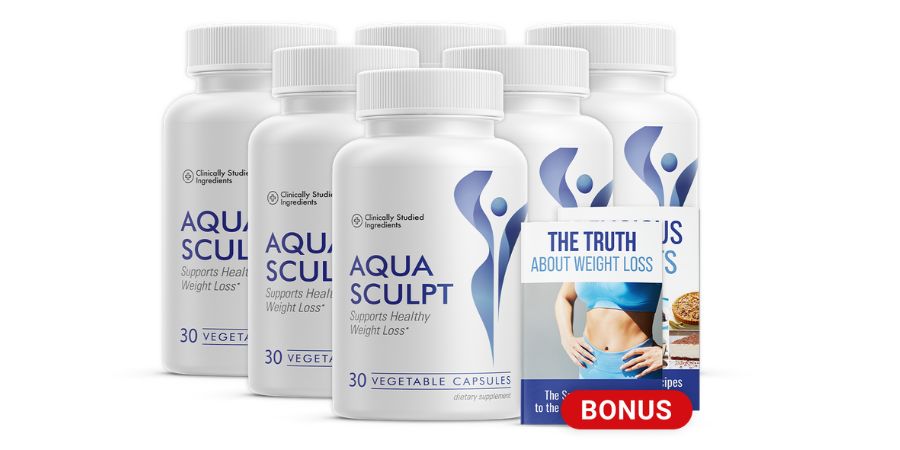
AquaSculpt is a dietary supplement marketed primarily for weight loss. It is sold in both capsule and liquid drop formats and is promoted heavily online using what the brand calls the “Ice Water Hack” — a daily ritual of taking one capsule with a glass of cold water to supposedly trigger thermogenesis and accelerate fat burning.
The product has seen a surge in online visibility in 2025, driven by aggressive digital marketing, affiliate review sites, and influencer promotion. On the surface, the ingredient list includes recognizable names like L-Carnitine, L-Theanine, green tea extract (EGCG), berberine, and resveratrol — compounds that do have some research behind them in isolation.
But the moment you look past the marketing, the picture becomes significantly less flattering.
The “27.8 Pounds in Weeks” Claim: Where’s the Evidence?
One of the most prominently repeated claims across AquaSculpt’s marketing ecosystem is that participants in a clinical trial lost an average of 27.8 pounds within weeks of taking the supplement daily. This figure appears on the official website, on affiliate review pages, and in press releases across news distribution platforms.
This claim should raise immediate red flags for any informed consumer.
Why this claim is deeply problematic:
- The trial is not independently published. There is no peer-reviewed, publicly accessible study linked anywhere on the official website or in any marketing material. No journal name, no trial registration number (such as a ClinicalTrials.gov ID), and no research institution is cited.
- The rate of loss is medically implausible for a supplement alone. Losing nearly 28 pounds “within weeks” from a once-daily capsule — without mandated dietary restriction or structured exercise — far exceeds what is considered safe or scientifically supported. The Mayo Clinic and most registered dietitians recommend a loss of no more than 1–2 pounds per week as a healthy, sustainable rate.
- “Clinical trial” is not a regulated marketing term. Any company can describe an internal survey, observational data collection, or even a commissioned feedback study as a “clinical trial.” Without peer review and third-party verification, such claims carry no meaningful scientific weight.
- The doctor behind the product is unverifiable. Marketing materials reference a “Dr. Blaine Schilling” described as a “renowned New York City weight loss expert.” No verifiable credentials, published research, hospital affiliation, or licensing records appear when this name is searched in standard medical professional databases.
Bottom line: AquaSculpt’s headline clinical claim appears to be unverified marketing copy, not credible science. Consumers should treat it accordingly.
AquaSculpt Ingredients: Legitimate Components, Questionable Doses
Let’s be fair: some individual ingredients in AquaSculpt have been studied in scientific literature. L-Carnitine has shown modest benefits for fat metabolism under specific conditions. EGCG from green tea has thermogenic properties. Berberine has been studied for blood sugar regulation.
However, there are several serious concerns when looking at the formula critically:
1. Proprietary Blends Hide Actual Dosages
AquaSculpt uses a “proprietary formula” structure. This means the exact dose of each ingredient is not disclosed on the label. Without knowing how much L-Carnitine or berberine is actually in each capsule, it is impossible to evaluate whether the amounts are clinically relevant or merely token inclusions — a common tactic known as “fairy dusting” in the supplement industry.
2. Individual Ingredients ≠ Proven Combination
Studies supporting ingredients like EGCG or resveratrol typically use isolated compounds at specific, controlled doses — often higher than what is feasible to include in a single-capsule daily supplement alongside 10+ other ingredients. The leap from “this ingredient has been studied” to “this 13-ingredient blend produces dramatic weight loss” is not scientifically supported.
3. The “Ice Water Hack” Is Not a Proven Mechanism
The entire product gimmick rests on the idea that drinking cold water activates thermogenesis sufficient to meaningfully burn fat. While the body does expend a small amount of energy warming cold water to body temperature, the caloric effect is negligible — research suggests roughly 8 calories per glass. This mechanism cannot plausibly account for multi-pound weekly weight loss.
AquaSculpt Side Effects: What Consumers Are Reporting
Some users have reported side effects after using AquaSculpt, including:
- Digestive discomfort — nausea, bloating, and gastrointestinal upset, particularly in the early weeks of use.
- Frequent urination — likely related to diuretic herbal components in the formula, which can mislead users into believing they are losing fat when they are primarily losing water weight.
- Caffeine-sensitivity reactions — some formulations contain stimulant-adjacent ingredients that can cause restlessness, elevated heart rate, or disrupted sleep in sensitive individuals.
While most reported side effects appear to be mild and temporary, the lack of full ingredient transparency makes it difficult to predict individual risk — particularly for people taking medications for diabetes, blood pressure, or thyroid conditions, as ingredients like berberine can interact with these drugs.
The Refund Policy Problem: A Guarantee That’s Harder to Use Than It Sounds
AquaSculpt prominently advertises a money-back guarantee (typically 60–90 days depending on the platform). In theory, this reduces consumer risk. In practice, customer complaints tell a different story.
Documented complaints include:
- Long wait times for customer service responses to refund requests.
- Requests for additional documentation not mentioned at the time of purchase.
- Delays in payment processing after refunds are supposedly approved.
Furthermore, the guarantee is only honored on orders placed through the official website. Third-party marketplace purchases — including some Amazon listings — are not covered, yet consumers regularly buy from these channels unaware of this restriction.
Fake Reviews, AI-Generated Endorsements, and Counterfeit Products
The AquaSculpt marketing ecosystem has significant integrity problems:
- AI-generated celebrity endorsements have reportedly circulated online, including fabricated associations with high-profile names. No legitimate celebrity has officially endorsed this product.
- Counterfeit products have been reported on Amazon and other third-party platforms. Buyers have complained of capsules that look or taste different from the “official” product — a sign of unauthorized manufacturing. Ironically, when negative reviews appear, the brand deflects by suggesting bad results come from fake products, which is an unfalsifiable and convenient defense.
- Affiliate review network saturation: The vast majority of “reviews” found via Google search for AquaSculpt are published on press release wire services (Newswire, AccessWire, GlobeNewswire) or low-authority affiliate blogs. These are not independent reviews — they are paid promotional content structured to look like consumer journalism. This is a widely known black-hat SEO and review manipulation tactic.
AquaSculpt Pricing: Is It Worth the Cost?
Here is the current pricing structure as advertised:
| Package | Price Per Bottle | Shipping |
|---|---|---|
| 1 Bottle (30-day supply) | $59–$69 | Paid (~$9.99) |
| 3 Bottles (90-day supply) | $49 | Free |
| 6 Bottles (180-day supply) | $39 | Free |
At $59–$69 for a single bottle of an unverified supplement, AquaSculpt is expensive. The pricing model is also designed to nudge consumers toward bulk purchases — which means spending $177–$234 upfront on a product with no independently verified efficacy. The refund policy’s fine print further complicates getting that money back if results disappoint.
What the Science Actually Says About “Natural” Weight Loss Supplements
To put AquaSculpt in broader context: a 2022 review published in Obesity Reviews analyzing dozens of commercially marketed weight loss supplements found that the vast majority produced no statistically significant weight loss compared to placebo when tested in rigorous, blinded trials. The few ingredients that showed modest effects — like green tea extract and glucomannan — did so at doses higher than typically found in multi-ingredient supplements, and the effects were measured in pounds, not tens of pounds, over months.
No dietary supplement can legally claim to diagnose, treat, cure, or prevent any disease. The FDA does not evaluate supplements before they go to market. These are not technicalities — they mean that the bar for selling a “weight loss supplement” is extraordinarily low, and the gap between marketing claims and clinical reality is routinely enormous.
Who Should Definitely Avoid AquaSculpt
- People on prescription medications (especially for diabetes, blood pressure, thyroid disease, or blood thinners) — due to potential ingredient interactions.
- Pregnant or breastfeeding women — the formula has not been evaluated for safety in these populations.
- People with a history of eating disorders — aggressive weight loss marketing of this type can be psychologically harmful.
- Anyone expecting effortless, rapid results — no supplement delivers safe 27-pound weight loss in a matter of weeks. Products that suggest otherwise are misleading consumers.
- Budget-conscious consumers — at $59–$69 per bottle with uncertain efficacy, the risk-to-cost ratio is poor.
Our Verdict: AquaSculpt Has More Red Flags Than Results
AquaSculpt is not a unique product. It follows a very familiar template in the weight loss supplement space: compelling marketing language, an invented “hack,” an unverifiable doctor figure, opaque ingredient dosing, dramatic clinical claims with no published research, and a review ecosystem built almost entirely from paid affiliate content.
The individual ingredients are not dangerous in typical doses. But nothing in the available evidence supports the idea that AquaSculpt can produce the weight loss results it advertises — and several aspects of how it is marketed suggest consumers are being misled.
If you are serious about weight management, your money and effort are better spent on:
- A registered dietitian consultation
- A structured, sustainable caloric deficit
- Resistance and cardiovascular exercise
- Consultation with your GP regarding evidence-based interventions
These approaches have decades of peer-reviewed research behind them. AquaSculpt does not.
Frequently Asked Questions
Is AquaSculpt FDA-approved?
No. AquaSculpt is a dietary supplement. The FDA does not approve dietary supplements before they are sold. The brand’s claim of being manufactured in an “FDA-registered facility” refers only to the manufacturing site, not to any approval of the product itself.
Is AquaSculpt a scam?
The product appears to be a real supplement that ships when purchased. However, its marketing makes unverifiable and likely exaggerated claims. Whether that constitutes a “scam” in the legal sense is a matter for regulators — but consumers should be aware they are likely not getting what the advertising promises.
Can I get a refund?
Refunds are offered in theory, but multiple users report difficulty actually receiving them. Only purchases from the official website are eligible.
Are the AquaSculpt reviews online real?
The majority of reviews found via search engines are published through paid press release networks and affiliate marketing sites. They should not be treated as independent consumer opinions.
This review was prepared using publicly available product information, user-reported complaints, and published scientific literature. No financial relationship exists between the author and any supplement brand. Always consult a qualified medical professional before beginning any supplement regimen.