
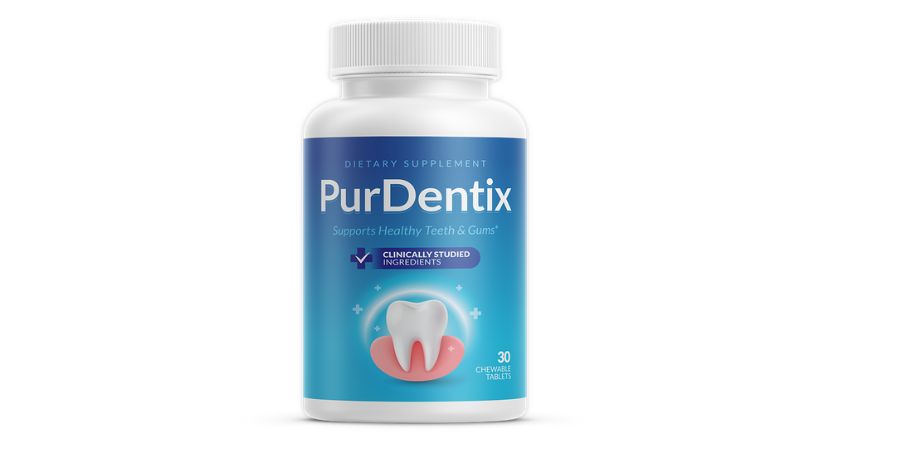
An independent, evidence-based look at the oral probiotic supplement that has flooded social media feeds — and why consumers deserve a more honest conversation about what it does and does not offer.
Overall verdict
“The ingredient science is real. The product as sold is not something a careful consumer should trust.“
Walk through any health supplement forum today and you will encounter PurDentix. It appears on Facebook as a sponsored post featuring a credible-looking doctor. It pops up on TikTok promising to reverse gum disease from the inside out. It floods wellness blogs with glowing five-star testimonials and countdown timers urging you to act before supplies run out.
Before you hand over your credit card details, it is worth spending ten minutes with the actual evidence — not the press releases, not the affiliate review sites, not the urgency-laced landing pages, but the science, the consumer complaints, and the marketing behaviour itself. That is what this review sets out to do.
WHAT THIS REVIEW IS This is a third-party critical analysis based on publicly available research, consumer complaint data, and ingredient science. No product was purchased for this review. No affiliate relationship exists with PurDentix or any competitor. All claims are sourced and attributed.
What is PurDentix, exactly?
PurDentix markets itself as an oral health supplement — available in both capsule and chewable lozenge formats depending on which version of the product you encounter — designed to work from the inside out by rebalancing the bacteria living in your mouth. The core proposition is that standard toothpaste and mouthwash only treat the surface, while PurDentix targets the root cause: microbial imbalance in the oral microbiome.
The product lists a blend of probiotic strains — primarily Lactobacillus reuteri, Lactobacillus paracasei, Bifidobacterium lactis, and Lactobacillus salivarius — alongside vitamins C and D, magnesium, peppermint, green tea extract, and in some formulations, chicory root and zinc.
The concept is not without scientific basis. Research into the oral microbiome has grown substantially over the past decade, and the idea that beneficial bacteria can compete with pathogenic strains to reduce gum inflammation, plaque, and bad breath is supported by genuine peer-reviewed literature. The problem — as we will explore — is the considerable gap between what the ingredient science actually says and what PurDentix claims for itself as a finished product.
The ingredients: where the science is real
Credit where it is due: several ingredients in the PurDentix formula have a legitimate research base behind them.
Lactobacillus reuteri and Bifidobacterium lactis have both appeared in peer-reviewed studies demonstrating reductions in gingival inflammation and improvements in plaque scores. One trial published in the Journal of Clinical Periodontology showed meaningful reductions in gum bleeding within 14 days of oral probiotic use. BLIS K12 and M18 — strains of Streptococcus salivarius sometimes included in similar formulations — have been shown to neutralise the volatile sulphur compounds responsible for chronic bad breath.
“The science behind oral probiotics is real and growing. What the science does not do is validate any specific commercial product — and that distinction matters enormously.”
Vitamins C and D have well-established roles in gum health and immune response. Peppermint and green tea extract carry documented antimicrobial properties. Magnesium supports bone mineralisation. None of this is invented.
However, two critical pieces of information are entirely absent from PurDentix’s public-facing materials: the specific dosage of each ingredient per serving, and any independent clinical trial on the finished product itself.
Studies on individual probiotic strains cannot be transplanted wholesale onto a commercial supplement formula. The dose, strain viability at time of consumption, delivery format, and synergistic interactions all determine whether a supplement performs as the ingredient research would suggest. Without that data, no efficacy claim is defensible.
The marketing: where things unravel
If the ingredients represent the best version of PurDentix’s story, the marketing represents its worst — and unfortunately, it is the marketing that most consumers encounter first.
Claim inflation
The official PurDentix website does not limit itself to oral health outcomes. It claims the supplement can reduce the risk of heart disease and brain fog, resolve chronic sinus and allergy issues, and improve the condition of a user’s hair and nails.
These claims extend far beyond anything the cited ingredient literature supports and would — if made about a pharmaceutical — require regulatory approval with clinical evidence. For a supplement, they exist in a grey zone that exploits consumer confusion between “the FDA hasn’t banned it” and “the FDA has validated it.”
The “FDA-registered” sleight of hand
PurDentix prominently labels itself as manufactured in an “FDA-registered, GMP-certified facility.” This is technically accurate and also profoundly misleading. The FDA does not approve dietary supplements before they go to market.
FDA registration means the manufacturing facility appears on a database — it says nothing about the product’s safety, efficacy, or formula. GMP (Good Manufacturing Practice) certification refers to quality control in production processes, not clinical outcomes. Presenting these designations to imply regulatory endorsement is a practice consumer protection advocates have long criticised across the supplement industry.
Deepfakes and pressure tactics
Advertising misconduct — documented
Multiple independent analyses have identified PurDentix promotional content using celebrity deepfake videos on Facebook and Instagram, fake “news article” endorsements, countdown purchase timers, and “last chance to buy” urgency labels. These are textbook dark pattern advertising tactics designed to bypass rational evaluation.
The promotional apparatus around PurDentix has attracted specific attention for deploying celebrity deepfakes — AI-generated videos showing well-known figures endorsing the product — alongside fake news-style articles mimicking credible health journalism. These are not minor embellishments. They are the kind of tactics that erode consumer trust broadly and that regulators in multiple jurisdictions have begun taking action against.
The online presence: a fragmented web of affiliate sites
One of the clearest structural red flags with PurDentix is the sheer number of near-identical websites selling it under marginally different URLs: purdentix.com, purdenticx.com, purdeentix.com, purdentix.org, us-purdentix.us, and more. Each carries substantially identical copy and identical five-star testimonials. This pattern is characteristic of affiliate marketing saturation — a model in which large numbers of independent affiliates create their own sales sites, often with little accountability for the claims they make, earning commission on each conversion.
The practical implication for consumers is significant: there is no clear single authoritative source for the product, complaints are difficult to route to a responsible party, and the refund process — nominally protected by a 180-day money-back guarantee — has been reported as unresponsive by multiple buyers. Trustpilot reviewers describe undelivered orders, emails going unanswered, and refund requests disappearing into silence.
What would a trustworthy product look like?
It is useful to contrast PurDentix’s approach against what genuine EEAT-compliant health supplement marketing looks like. A trustworthy oral probiotic brand would publish full ingredient dosages on the label. It would cite clinical studies conducted on the finished product, not just the ingredient class. It would have a single, stable, traceable company behind it — not a constellation of disposable domain names. Its advertising would not rely on deepfakes, countdown clocks, or claims it cannot substantiate. Its customer service would be reachable and its guarantee honourable.
None of this is an impossibly high bar. Several established probiotic brands meet it. The contrast with PurDentix’s operation is not subtle.
The bottom line
The oral microbiome is a legitimate frontier of dental science, and the probiotic strains cited in PurDentix formulations have genuine supporting research behind them. If PurDentix were a transparently labelled, conservatively marketed product making defensible claims, it might merit a cautious recommendation as one option among several.
It is not that product. It is a commercially aggressive supplement operation that inflates its ingredient science into sweeping health promises, deploys manipulative advertising, obscures its provenance behind dozens of affiliate domains, and has generated a significant trail of unresolved consumer complaints.
“A supplement can have good ingredients and still be a bad product. PurDentix is a case study in exactly that distinction.”
Consumers genuinely interested in oral probiotic support would be better served by researching independently reviewed probiotic brands that publish their strain CFU counts, sourcing, and dosages — and by consulting a dentist before adding any supplement to their oral health routine. A good dentist will always be a more reliable guide than a countdown timer.
Disclosure: This review was produced as an independent critical analysis for informational purposes only. It does not constitute medical advice. No affiliate relationship exists between this publication and PurDentix or any competing product. All factual claims are based on publicly available sources including peer-reviewed literature, Trustpilot consumer reviews, and independent security assessments. Always consult a qualified healthcare professional before beginning any supplement regimen. The FDA has not evaluated these statements. This product is not intended to diagnose, treat, cure, or prevent any disease.