
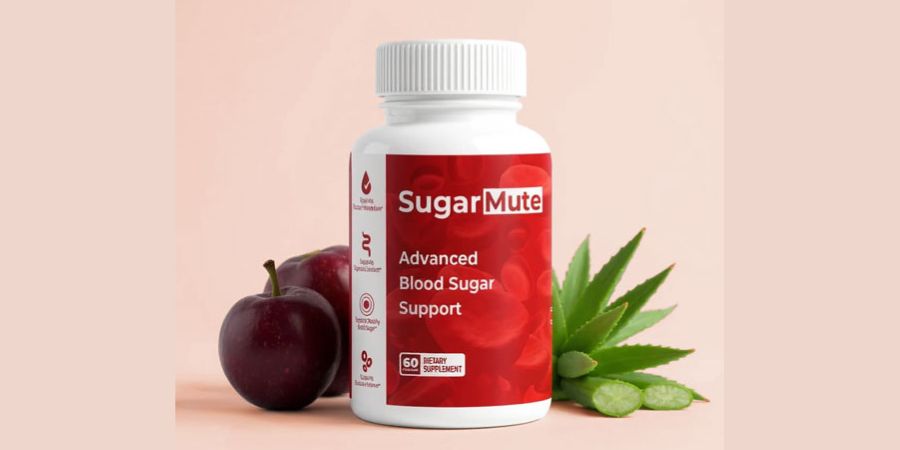
Verdict Upfront: Don’t Buy SugarMute Until You Read This
SugarMute markets itself as a science-backed, doctor-formulated blood sugar supplement capable of silencing sugar spikes, reducing cravings, and stabilising glucose levels. The reality is far more complicated — and far less impressive.
The core problems:
- No clinical trial has ever tested SugarMute as a finished product
- Ingredient doses are not publicly disclosed, making it impossible to verify clinical relevance
- The formula is sold across a confusing web of copycat websites with different ingredient lists
- Marketing language borders on illegal health claims for a product not approved to treat any disease
- At $79 for a single bottle, the price-to-evidence ratio is deeply unfavourable
- Several ingredients carry real drug interaction risks that the marketing glosses over
If you have diabetes, prediabetes, or any metabolic condition, SugarMute is not a substitute for medication or medical supervision. If you’re a healthy adult looking for lifestyle support, better-studied (and cheaper) options exist.
1. Who This Is For — And Who Should Skip It
Who SugarMute’s marketing targets:
- Adults with mild blood sugar fluctuations or post-meal energy dips
- People who want a “natural” alternative or complement to conventional care
- Those managing prediabetes or type 2 diabetes wanting lifestyle support
Who should absolutely skip it:
Anyone on diabetes medication. SugarMute contains berberine, gymnema, bitter melon, and cinnamon — all of which have glucose-lowering effects. Combined with metformin, sulfonylureas, or insulin, these ingredients can push blood sugar dangerously low (hypoglycaemia). The marketing barely mentions this risk.
Pregnant or nursing women. Berberine has been shown to cross the placental barrier, and its safety in pregnancy has not been established. This is not a fringe concern — it is documented in the pharmacological literature.
Anyone expecting a substitute for medical treatment. The product’s own legal disclaimer states it is “not intended to diagnose, treat, cure, or prevent any disease.” Yet its marketing language routinely describes it as a solution for “diabetes management.” This contradiction should concern anyone reading carefully.
People with liver or kidney conditions. High-dose berberine can affect hepatic enzymes. The formula’s overall safety profile in compromised organ function has not been studied.
Sceptical consumers. If you search for SugarMute, you will find dozens of near-identical websites — mute-sugar.com, sugarmutenn.com, sugarmuti.com, sugarmutu.com, and many more — all selling what appears to be the same product with subtly different marketing copy and, in some cases, different claimed ingredient lists. This fragmented, multi-domain affiliate structure is a significant red flag about the brand’s transparency and accountability.
2. Ingredient Analysis: What the Science Actually Says
SugarMute claims to use eight clinically researched ingredients: Berberine, Chromium, Cinnamon Bark, Alpha Lipoic Acid (ALA), Gymnema Sylvestre, Banaba Leaf, Bitter Melon, and Licorice Root. In some versions of the product, flaxseed, black walnut, aloe vera, and Lactobacillus acidophilus also appear — indicating inconsistency across product versions.
Here is what the evidence actually says about each key ingredient:
Berberine
The claim: Mimics the effect of metformin; activates AMPK to improve insulin sensitivity.
The evidence: This is the most legitimately researched ingredient in the formula. A 2022 meta-analysis of 37 randomised controlled trials (PubMed PMC9709280) found berberine produced statistically significant reductions in fasting blood glucose, HbA1c, and post-meal blood glucose in type 2 diabetes patients. A separate systematic review (PMC8107691) confirmed glucose-lowering effects.
The catch: Effective doses in clinical trials range from 1,000–1,500 mg per day, typically split across three doses of 500 mg taken before meals. SugarMute’s berberine content is undisclosed. Two capsules per day — SugarMute’s standard dose — is almost certainly insufficient to deliver the 1,000–1,500 mg therapeutic threshold across all eight ingredients combined, let alone berberine alone. Additionally, berberine has notoriously poor oral bioavailability due to first-pass metabolism, intestinal elimination, and gut bacterial degradation — a problem acknowledged in the pharmaceutical literature.
Chromium Picolinate
The claim: “Opens the door” for insulin to let glucose into cells; reduces insulin resistance.
The evidence: Mixed and modest. Some small trials show marginal improvements in insulin sensitivity in chromium-deficient individuals. Population-level chromium deficiency in well-nourished adults is rare, meaning supplementation is unlikely to produce meaningful effects in most users. The European Food Safety Authority has approved a qualified health claim for chromium only in the context of normal macronutrient metabolism — not blood sugar treatment.
Cinnamon Bark Extract
The evidence: Randomised, double-blind trials show small reductions in glycated haemoglobin and fasting glucose in type 2 diabetes patients. However, results are inconsistent across studies, effect sizes are modest, and benefits appear primarily in populations with poor baseline glucose control. For people with normal or near-normal glucose, the effect is negligible.
Alpha Lipoic Acid (ALA)
The evidence: ALA has a reasonable evidence base for diabetic neuropathy (nerve pain), not for glycaemic control itself. Using it as a blood sugar ingredient is an overreach of the available evidence. Its antioxidant properties are real but do not translate directly to measurable glucose reduction in clinical populations.
Gymnema Sylvestre
The claim: Reduces sugar cravings and intestinal glucose absorption.
The evidence: Primarily derived from animal studies and small human trials. Some evidence suggests gymnema may reduce the perception of sweetness, potentially decreasing sugar cravings. Clinical evidence for meaningful blood glucose reduction in humans is inconsistent and limited to studies with major design weaknesses.
Bitter Melon
The claim: Contains “plant insulin” (polypeptide-p) that directly lowers glucose.
The evidence: A fact-checking analysis by Factually.co noted that bitter melon has “scattered human studies, traditional use, and some mechanistic plausibility but inconsistent results.” A 2011 Cochrane-style review found insufficient evidence to recommend bitter melon for type 2 diabetes. The “30–40% glucose reduction” figures cited by SugarMute promoters are drawn from animal studies — a critical distinction that is never clearly communicated to consumers.
Banaba Leaf & Licorice Root
Both have very limited human trial data. Banaba leaf’s active compound, corosolic acid, shows some in vitro glucose transport activity, but human evidence is sparse. Licorice root in high doses or long-term use is associated with elevated blood pressure and potassium depletion — a concern entirely absent from SugarMute’s marketing.
3. Dosage Assessment: Are the Amounts Clinically Effective?
This is where SugarMute’s case collapses most completely.
SugarMute does not publicly disclose the dose of any individual ingredient. The product label is not shown on any of the official websites. Consumers are asked to pay up to $79 per bottle without knowing whether they are getting 10 mg or 500 mg of berberine, or any other ingredient.
This is not a minor oversight. Dose is everything in pharmacology. Berberine at 300 mg per day does nothing measurable. At 1,500 mg per day in divided doses, it produces clinically significant effects. The difference matters enormously — and SugarMute hides it.
Consider the arithmetic: A two-capsule daily serving containing eight or more ingredients cannot plausibly deliver therapeutic doses of all of them. Standard capsule capacity is approximately 500–700 mg per capsule, meaning two capsules provides roughly 1,000–1,400 mg total across all ingredients. To deliver just the minimum therapeutic dose of berberine alone (1,000 mg/day), there would be no room for anything else.
This strongly suggests that most or all ingredients are present in sub-therapeutic “fairy dust” quantities — included for label appeal rather than physiological impact.
4. Side Effect Profile: What the Marketing Downplays
SugarMute’s websites consistently describe the product as having an “extremely rare” side effect profile. This framing obscures real risks.
Documented concerns:
- Hypoglycaemia risk with concurrent medication: Berberine, gymnema, and bitter melon all lower blood glucose independently. Combined with metformin, sulfonylureas, or insulin, the additive effect can cause dangerously low blood sugar. This is not theoretical — it is a pharmacological consequence of combining glucose-lowering agents without medical supervision.
- Gastrointestinal distress: Berberine is well-known to cause nausea, constipation, diarrhoea, and abdominal cramping, particularly at therapeutic doses. Several user complaints note digestive side effects, though these are routinely attributed to “adjustment” rather than ingredient intolerance.
- Berberine in pregnancy: Berberine crosses the placental barrier and has been associated with neonatal jaundice in animal studies. Its use is contraindicated in pregnancy — a warning SugarMute does not prominently display.
- Cinnamon and blood clotting: Cinnamon may affect platelet aggregation. Patients on blood-thinning medications (warfarin, aspirin, clopidogrel) should not take cinnamon-containing supplements without physician consultation. SugarMute mentions stopping the supplement before surgery but does not flag this interaction elsewhere.
- Licorice root and blood pressure: Long-term licorice root consumption is associated with elevated blood pressure (pseudohyperaldosteronism) and low potassium. Patients with hypertension or heart conditions face a real (and unmentioned) risk.
- Liver enzyme effects: High-dose berberine can affect hepatic enzyme activity. People with liver conditions should not use this product without medical supervision.
5. Real User Experience: What Consumers Actually Report
Sorting genuine user experience from manufactured marketing is difficult with SugarMute for a specific reason: the overwhelming majority of positive reviews appear on the brand’s own websites or on affiliate review sites that earn commissions from sales. The “4.9/5 stars from 20,000 reviews” figures cited by multiple promotional pages cannot be independently verified on neutral platforms like Trustpilot or the Better Business Bureau.
What independent and critical sources reveal:
- No product-specific clinical trials exist. There is no published study on SugarMute as a finished formula. All clinical references point to individual ingredients, not the product itself.
- Multiple competing websites create consumer confusion. Negative reviewers frequently report purchasing from one site only to receive a product that seems different from what another site describes. The sprawling affiliate ecosystem makes accountability nearly impossible.
- Marketing tactics draw repeated criticism. Warnings of “limited stock,” countdown timers, and urgent discount offers are high-pressure sales tactics that have been flagged in multiple independent consumer alerts.
- Refund experiences are inconsistent. While the brand advertises a 90-day money-back guarantee, consumer complaint threads report difficulty reaching customer service and delays in processing refunds.
- Genuine user complaints include: no measurable change in blood glucose readings after 60–90 days, digestive upset in the first two weeks, single-bottle pricing ($79) described as “exorbitant” given the lack of evidence, and confusion about which website is the “official” seller.
6. Frequently Asked Questions
Q: Is SugarMute FDA-approved? No. No dietary supplement is FDA-approved. SugarMute is manufactured in an FDA-registered facility — a designation that means the facility follows basic manufacturing standards, not that the product itself has been reviewed or approved for safety or efficacy by the FDA.
Q: Can SugarMute replace my diabetes medication? Absolutely not. SugarMute’s own legal disclaimer states it is not intended to treat or prevent any disease. Stopping or reducing diabetes medication without physician guidance is dangerous. Berberine, the product’s lead ingredient, is sometimes compared to metformin in promotional copy — but this comparison is not FDA-endorsed and the study evidence involves berberine as a standalone, pharmaceutical-grade compound, not as one undisclosed ingredient in a multi-compound supplement.
Q: Are the glowing reviews real? The majority of SugarMute reviews online are published on affiliate sites that earn commissions from sales. Independent reviews on neutral platforms are scarce. The “20,000 verified reviews” and “4.9/5 rating” figures cited across promotional pages are unverifiable.
Q: What happens if I take SugarMute with metformin? Both berberine and metformin lower blood glucose via AMPK activation. Taking them together without medical supervision creates a meaningful risk of hypoglycaemia (blood sugar dropping too low). This is a real drug-supplement interaction that SugarMute’s marketing does not adequately disclose.
Q: Is the 90-day money-back guarantee reliable? In theory, yes — ClickBank’s buyer protection provides a backstop. In practice, some consumers report difficulty navigating the refund process when purchasing from third-party affiliated sites rather than the primary domain.
Q: Are there better-studied alternatives? Yes. If lifestyle support for blood sugar is the goal, berberine as a standalone supplement at a disclosed, therapeutic dose (e.g., 500 mg three times daily from a reputable supplier) is far more cost-effective and transparent. Dietary interventions — reducing refined carbohydrates, increasing fibre, and regular exercise — have far stronger evidence than any supplement for meaningful, sustained blood glucose improvement.
Q: Who manufactures SugarMute? The company is referred to as “SugarMute Research” or “SugarMute Labs” across different websites. No verifiable corporate registration, physical headquarters, or named medical advisory board is publicly disclosed — which is unusual for a product marketed so heavily on the basis of scientific credibility.
7. Final Verdict
SugarMute is not an outright scam in the sense of selling an empty bottle. Several of its ingredients — berberine in particular — have genuine scientific support for metabolic health. But the product fails on nearly every criterion that separates a legitimate evidence-based supplement from a well-packaged marketing exercise:
| Criterion | Assessment |
|---|---|
| Disclosed ingredient doses | ❌ Not provided |
| Finished-product clinical trial | ❌ None exists |
| Transparent manufacturer identity | ❌ Not verifiable |
| Drug interaction warnings | ❌ Inadequate |
| Independent review data | ❌ Minimal |
| Price justification | ❌ $79/bottle is unjustified |
| Marketing accuracy | ❌ Overstated claims |
For anyone serious about managing blood glucose, this money is better spent on a GP consultation, a referral to a registered dietitian, or a high-quality standalone berberine supplement at a properly disclosed therapeutic dose from a reputable manufacturer with third-party testing certificates.
8. References and Citations
All clinical references link to PubMed or primary sources.
- Berberine meta-analysis (blood glucose): Yin J et al. Glucose-lowering effect of berberine on type 2 diabetes: A systematic review and meta-analysis. Frontiers in Pharmacology, 2022. PubMed PMC9709280. https://pubmed.ncbi.nlm.nih.gov/36467075/
- Berberine efficacy and safety across metabolic disorders: Lan J et al. Efficacy and Safety of Berberine Alone for Several Metabolic Disorders: A Systematic Review and Meta-Analysis. Frontiers in Pharmacology, 2021. PubMed PMC8107691. https://pmc.ncbi.nlm.nih.gov/articles/PMC8107691/
- Berberine in prediabetes (RCT): Efficacy and safety of HIMABERB® Berberine on glycemic control in patients with prediabetes: double-blind, placebo-controlled, and randomized pilot trial. PubMed PMC10483788. https://pmc.ncbi.nlm.nih.gov/articles/PMC10483788/
- Berberine bioavailability and absorption: Neag MA et al. Berberine: Botanical Occurrence, Traditional Uses, Extraction Methods, and Relevance in Cardiovascular, Metabolic, Hepatic, and Renal Disorders. Frontiers in Pharmacology, 2018. https://www.ncbi.nlm.nih.gov/pmc/articles/PMC6111450/
- Berberine dosing and diabetes management (Healthline summary of clinical data): https://www.healthline.com/nutrition/berberine-diabetes
- Bitter melon and type 2 diabetes (Cochrane-style review): Ooi CP, Yassin Z, Hamid TA. Momordica charantia for type 2 diabetes mellitus. Cochrane Database of Systematic Reviews, 2010. https://pubmed.ncbi.nlm.nih.gov/20091535/
- Alpha Lipoic Acid and diabetic neuropathy: Ziegler D et al. Treatment of symptomatic diabetic peripheral neuropathy with the antioxidant alpha-lipoic acid. Diabetologia, 1995. https://pubmed.ncbi.nlm.nih.gov/8786015/
- Chromium and insulin sensitivity (EFSA assessment): European Food Safety Authority. Scientific Opinion on the substantiation of health claims related to chromium. EFSA Journal 2010. https://efsa.onlinelibrary.wiley.com/doi/abs/10.2903/j.efsa.2010.1732
- Licorice root and blood pressure (pseudohyperaldosteronism): Størmer FC, Reistad R, Alexander J. Glycyrrhizic acid in liquorice — evaluation of health hazard. Food and Chemical Toxicology, 1993. https://pubmed.ncbi.nlm.nih.gov/8514912/
- Gymnema Sylvestre evidence review: Tiwari P et al. Gymnema sylvestre for Diabetes: From Traditional Herb to Future Perspectives. Journal of Clinical Biochemistry and Nutrition, 2014. https://pubmed.ncbi.nlm.nih.gov/25161342/
- Cinnamon bark and glycaemic control: Allen RW et al. Cinnamon Use in Type 2 Diabetes: An Updated Systematic Review and Meta-Analysis. Annals of Family Medicine, 2013. https://pubmed.ncbi.nlm.nih.gov/24019277/
- Berberine in pregnancy (contraindication): Habtemariam S. Berberine pharmacology and the gut microbiota: A hidden therapeutic link. Pharmacological Research, 2020. https://pubmed.ncbi.nlm.nih.gov/32001386/
This review is for informational purposes only and does not constitute medical advice. If you have diabetes or any metabolic condition, consult a qualified healthcare professional before starting, stopping, or changing any supplement or medication.