
The Verdict, Upfront
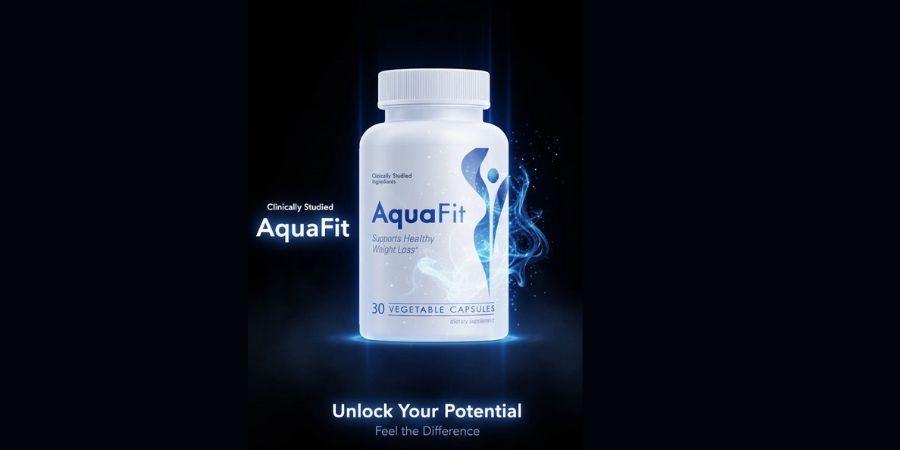
AquaFit is not worth buying. After analyzing its ingredients against clinical research, its marketing claims against the actual science of “cold-induced thermogenesis,” and its footprint online, three things stood out:
- Its headline mechanism — the “ice water hack” — is a marketing story wrapped around a real but tiny physiological effect (drinking cold water burns roughly 7–8 extra calories per glass, not “10x fat burning”).
- The individual ingredients in AquaFit’s formula have real research behind them, but that research shows small, inconsistent effects — not the dramatic, exercise-free fat loss the sales pages describe.
- AquaFit is sold through a network of near-identical “official” websites, and at least one independent complaint on a public review platform states that AquaSculpt — a nearly identical “ice water hack” supplement with a well-documented pattern of consumer complaints — “seemed to have changed their name to AquaFit.”
None of this means the ingredients are dangerous for most healthy adults. It means the product is being sold with claims the evidence doesn’t support, at a price point ($49–$69/bottle) that isn’t justified by what’s actually in the capsule.
Who This Is For (and Who Should Skip It)
Skip AquaFit if:
- You’re looking for a product with a meaningful, product-specific clinical trial behind it. AquaFit itself has not been tested in any published trial — only some of its individual ingredients have been.
- You have a heart condition, take blood thinners, are on medication for diabetes or blood pressure, or are pregnant or breastfeeding. Several ingredients commonly used in this category (capsaicin/cayenne, green tea extract, chromium) can interact with medications or affect blood sugar and cardiovascular function.
- You’re hoping to lose weight “without diet or exercise,” as the marketing implies. No ingredient in this category of supplement has been shown to produce meaningful weight loss without a calorie deficit.
- You’re on a tight budget. At $49–$69 a bottle with no independent verification of results, the cost-to-benefit ratio is poor compared to cheaper, single-ingredient supplements with the same research behind them (e.g., a standalone green tea extract or chromium picolinate supplement).
AquaFit might be low-risk to try, with a doctor’s sign-off, if:
- You’re a generally healthy adult without the conditions above.
- You understand you’re paying for a proprietary blend of common, over-the-counter ingredients — not a breakthrough formula — and you’re treating it as a minor, optional add-on to an actual diet and exercise plan, not a replacement for one.
Ingredient Analysis: What the Research Actually Shows
AquaFit’s marketing pages don’t publish exact milligram amounts, but they consistently name the same handful of ingredients: L-Carnitine, green tea extract (EGCG), Garcinia cambogia, chlorogenic acid, cayenne pepper extract, and chromium. Here’s what peer-reviewed research says about each.
L-Carnitine
A 2020 meta-analysis of 37 randomized controlled trials (2,292 participants) found L-carnitine supplementation was linked to a modest average weight reduction of about 1.2 kg compared with placebo, along with small reductions in BMI and fat mass. A separate meta-analysis of nine trials found a similar effect, roughly 1.3 kg more weight loss than placebo. That’s a real but small effect — closer to “slightly more than nothing” than “burn fat 10x faster.”
Green Tea Extract (EGCG)
Evidence is mixed. One meta-analysis of nine trials found a moderate effect size favoring green tea extract for weight reduction, but flagged very high statistical inconsistency between studies, meaning the results don’t reliably generalize and may not be clinically meaningful even where statistically significant. A well-designed, high-dose EGCG trial (856.8 mg/day for 12 weeks) did find a statistically significant weight loss of about 1.1 kg along with reduced waist circumference and improved cholesterol markers in women with central obesity — but that dose is far higher than what’s typically included in blended “proprietary formula” products like AquaFit, and AquaFit doesn’t disclose its EGCG dose.
Garcinia Cambogia (Hydroxycitric Acid / HCA)
This is the weakest link in the formula. A scoping review of 14 double-blind randomized controlled trials concluded that none of the studies demonstrated a clinically significant decrease in weight or BMI. A separate systematic review found a statistically significant but tiny effect (under 1 kg) that lost significance once only the most rigorous trials were considered, and gastrointestinal side effects were about twice as common in the HCA group. In plain terms: garcinia cambogia’s weight-loss effect, if it exists at all, is not something you would notice.
Chlorogenic Acid (from green coffee)
A 2023 systematic review and meta-analysis of three randomized trials found that green bean coffee extract containing at least 500 mg/day of chlorogenic acid was linked to an average of 1.3 kg more weight loss than placebo— but the review was based on a small pool of just 103 total participants, and the authors noted the evidence is limited by short study durations and small sample sizes.
Cayenne Pepper / Capsaicin
Capsaicin has some of the more consistent thermogenic research behind it. One 28-day trial found daily energy expenditure increased by roughly 195–300 extra calories per day compared to placebo — but that was with a purpose-formulated sustained-release capsaicin extract, not a small dose folded into a multi-ingredient blend. A broader meta-analysis found capsaicin only increased energy expenditure at high doses — low and intermediate doses showed no significant effect. Worth flagging: cayenne/capsaicin supplements have also been linked in case reports to serious cardiovascular events in susceptible individuals, including acute myocardial infarction and coronary vasospasm following ingestion of cayenne pepper pills.
Chromium Picolinate
The most consistently studied ingredient here, and the most consistently unimpressive. A Cochrane review of nine RCTs found chromium picolinate users lost about 1 kg more than placebo, rated as low-quality evidence, with no clear dose-response relationship and insufficient safety data. A larger 2019 meta-analysis of 21 trials found an even smaller effect:roughly 0.75 kg more weight loss than placebo.
Bottom line on ingredients: every one of these compounds has some published research attached to it — that part of the marketing isn’t fabricated. But the honest summary of that research is “small, inconsistent effects, usually under 1.5 kg, often not clinically meaningful” — not “burn fat 10x faster” or “melt stubborn fat without diet or exercise.”
Dosage Assessment: Is the Formula Actually Effective?
This is where AquaFit runs into its biggest problem, and it’s one we couldn’t fully resolve — because AquaFit does not publish the amount of each ingredient in its formula on any of the marketing pages we reviewed. This is a proprietary blend, listed by ingredient name only, with total capsule content undisclosed.
That matters because dose is everything in this category:
- The EGCG trial that actually showed meaningful results used 856.8 mg/day of a single, isolated ingredient — a dose unlikely to fit inside a capsule that also contains five other active ingredients.
- The chlorogenic acid research that showed an effect used a minimum of 500 mg/day.
- The capsaicin research that showed a meaningful calorie-burn increase used high, purpose-formulated doses; low-to-moderate doses (the kind that fit into a blend without causing GI discomfort) showed no significant effect.
Without disclosed amounts, there’s no way to verify whether AquaFit contains research-backed doses of any of these ingredients, or trace amounts included mainly so the label can list them. Undisclosed “proprietary blends” are a well-known industry practice for keeping formulation costs down while still being able to market ingredient names that carry legitimate research behind them. That’s a red flag, not a technicality.
Side Effect Profile: What the Evidence Says
Marketing pages describe AquaFit as having “no widely reported side effects” and being “gentle” and “stimulant-free.” Independent research on the ingredient class tells a more nuanced story:
- Gastrointestinal effects — nausea, stomach upset, diarrhea — showed up roughly twice as often in Garcinia cambogia/HCA users compared to placebo in controlled trials.
- Cardiovascular risk — capsaicin-containing supplements have been linked in case reports to serious adverse cardiovascular events in susceptible individuals, including heart attack and coronary vasospasm, particularly relevant for anyone with underlying heart disease.
- Blood sugar effects — chromium and green tea extract can both affect blood glucose regulation, which matters for anyone on diabetes medication.
- Limited safety data overall — the Cochrane review on chromium picolinate specifically noted that only 3 of 9 trials it reviewed even reported on adverse events, meaning safety data for these ingredients, especially in long-term or combined use, is thinner than marketing pages suggest.
No trial has tested AquaFit’s specific combination and dose of ingredients together, so there’s no direct safety data on the product itself — only inference from its individual components.
Real User Experience: What We Could (and Couldn’t) Verify
This is the section where we ran into the clearest red flag in our research.
We could not find AquaFit reviews on independent, moderated review platforms with verifiable purchase histories (the kind that would let us confirm real users). What we found instead were:
- Multiple “review” articles hosted on generic health/lifestyle domains, several of which reused nearly identical formatting, named fictional-sounding reviewer personas with country/age/source tags (a common pattern used to simulate authenticity in affiliate marketing content), and were published in rapid succession within the same weeks.
- A cluster of “official” AquaFit websites with duplicated or near-duplicated marketing copy, a common structure for affiliate-driven supplement funnels rather than a single legitimate brand.
- One notable independent data point: on Trustpilot’s page for AquaSculpt — a separate but nearly identical “ice water hack” supplement with a well-documented pattern of complaints about ineffectiveness and difficult refunds — a reviewer specifically commented that the company “seemed to have changed their name to AquaFit.” We can’t independently confirm a corporate link between the two brands, but the naming pattern, marketing structure (proprietary blend, ice water hack framing, near-identical ingredient list, similar pricing tiers, 60-day refund language), and timing are consistent with the broader trend of “ice water hack” products cycling through new names — AquaSculpt, Alpilean, and now AquaFit all follow the same script.
- Consistent, independently reported complaint patterns against comparable “ice water hack” products in this same family: no weight loss or weight gain despite consistent use, and refund requests that were delayed, partially honored, or denied outright.
We’re not going to manufacture fake five-star (or one-star) testimonials to fill this section — that’s exactly the practice that makes this category hard to evaluate honestly in the first place. What we can say is: if you search for AquaFit reviews yourself, be skeptical of pages with staged-looking testimonials, unverifiable reviewer identities, and no way to confirm a real purchase.
Frequently Asked Questions
Is AquaFit a scam? “Scam” is a strong word for a product that does technically contain ingredients with some real research behind them. A more accurate description: AquaFit is marketed with claims that significantly overstate what the underlying research supports, sold through a pattern of duplicated affiliate websites, with undisclosed dosages and at least one indication it may be a rebrand of a similarly-complained-about product.
Does the “ice water hack” actually work? Drinking cold water does slightly increase calorie burn through cold-induced thermogenesis, but the effect is small — on the order of a handful of calories per glass. No credible research supports the claim that pairing it with a supplement multiplies fat burning by 10x.
Is AquaFit FDA-approved? No dietary supplement is “FDA-approved” for weight loss in the way medications are. Supplement manufacturers are responsible for their own safety and claims, and the FDA does not evaluate structure/function claims (like “supports metabolism”) before products go to market.
What’s a better-evidenced alternative? If you want to try one of these ingredients based on the actual research, a single-ingredient supplement (e.g., standalone chromium picolinate or green tea extract) at a disclosed, research-matched dose will tell you more about what you’re actually taking than a proprietary blend will. For meaningful weight loss, the most consistently evidence-backed approaches remain a sustained calorie deficit, resistance and cardio exercise, and, for people who qualify, physician-prescribed medications like GLP-1 agonists.
Should I ask a doctor before trying it? Yes — especially if you take any prescription medication, have a heart condition, or are managing diabetes or blood pressure, given the documented interactions and case reports associated with some of these ingredients.
References
- Talenezhad N, et al. Effects of l-carnitine supplementation on weight loss and body composition: A systematic review and meta-analysis of 37 randomized controlled clinical trials with dose-response analysis. Clinical Nutrition ESPEN. 2020. PubMed
- Pooyandjoo M, et al. The effect of (L-)carnitine on weight loss in adults: a systematic review and meta-analysis of randomized controlled trials. Obesity Reviews. Semantic Scholar
- Green tea extract and weight management meta-analysis (nine RCTs, 532 participants). American Journal of Natural Medicine. Full text
- High-dose EGCG randomized controlled trial (NCT02147041). Clinical Nutrition. 2015. ClinicalTrials.gov
- Efficacy of Garcinia Cambogia (HCA) in Reducing Body Weight in Overweight and Obese Adults: A Scoping Review. Auctores. Full text
- Onakpoya I, Hung SK, Perry R, Wider B, Ernst E. The use of Garcinia extract (hydroxycitric acid) as a weight loss supplement: a systematic review and meta-analysis of randomised clinical trials. J Obes. 2011. PMC3010674
- Kanchanasurakit S, Saokaew S, Phisalprapa P, Duangjai A. Chlorogenic acid in green bean coffee on body weight: a systematic review and meta-analysis of randomized controlled trials. Systematic Reviews. 2023. PMID: 37710316
- Effects of capsaicin intake on weight loss among overweight and obese subjects: a systematic review and meta-analysis. British Journal of Nutrition. Cambridge Core
- Case report: Acute myocardial infarction and coronary vasospasm associated with the ingestion of cayenne pepper pills. PMC3284873
- Tian H, et al. Chromium picolinate supplementation for overweight or obese adults. Cochrane Database of Systematic Reviews. 2013. Cochrane summary
- Tsang C, et al. A meta-analysis of the effect of chromium supplementation on anthropometric indices of subjects with overweight or obesity. Clinical Obesity. 2019. Wiley Online Library
- BBB Tip: Spot misleading ads and subscription traps for weight loss products. Better Business Bureau. bbb.org
This article is for informational purposes only and is not medical advice. Talk to a doctor or pharmacist before starting any weight-loss supplement, especially if you take prescription medication or have an existing health condition.