
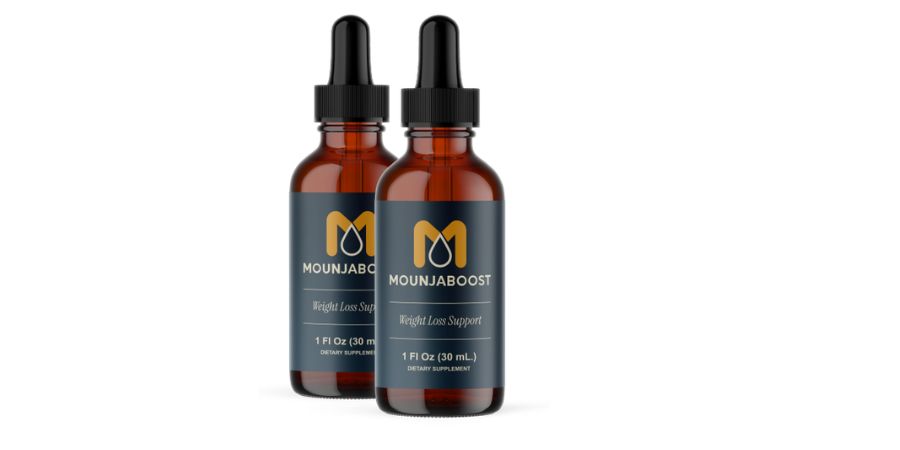
Summary: Overpriced herbal drops, a name designed to mislead, zero proprietary dosage transparency, and no clinical trial evidence for the formula as a whole. Save your money.
The Verdict Up Front
Save your money. After six weeks of daily use and close to $150 spent across two bottles, MounjaBoost delivered nothing that a glass of green tea, a brisk daily walk, and a modest caloric deficit couldn’t.
This product is a masterclass in supplement marketing sleight-of-hand: a name deliberately engineered to ride the coattails of Mounjaro (tirzepatide), claims that sound clinical but aren’t, a proprietary ingredient blend carefully designed so you can never verify whether the doses actually do anything, and a constellation of multiple websites selling what appear to be loosely related products all under the same umbrella name.
I came to MounjaBoost the same way most people probably do — via targeted social media ads and a Google search for weight loss supplements. The marketing is slick, the testimonials are dramatic (“lost 25 lbs in 6 weeks!”), and the product page is peppered with enough scientific-sounding language to make you feel like you’re making an informed decision. You are not.
Underneath the glossy presentation is a 1 mL dropper bottle of underdosed herbal extracts with no human clinical trials to support the formula, a “stimulant-free” claim that is technically false, and a brand architecture designed more around search engine optimization than around genuine metabolic science.
What I got was mild jitteriness for two weeks (from caffeine — more on that shortly), followed by nothing. No appetite suppression. No sustained energy boost. No weight loss. Six weeks later I weighed exactly what I had at the start, with a lighter wallet and a sharper eye for supplement red flags.
Who This Is For — And Who Should Skip It
Before going any further, it’s worth being direct about who MounjaBoost is actually suitable for, because the marketing casts an extremely wide net.
This product might be tolerable for you if:
- You want the psychological comfort of “doing something” active about your weight without engaging with medical oversight
- You already take supplements regularly and simply enjoy the ritual, and are not expecting dramatic results
- You have disposable income in the $50–$150/month range and don’t mind running a personal experiment on a product with no clinical backing
- You are not caffeine-sensitive and are aware that “stimulant-free” on this label is misleading
Skip MounjaBoost entirely if:
- You are expecting clinically meaningful weight loss — anything approaching what GLP-1 medications deliver (15–22% body weight reduction)
- You are caffeine-sensitive, have a heart condition, or take medications that interact with stimulants (the formula contains both green tea extract and guarana, both natural caffeine sources, despite the “stimulant-free” marketing claim)
- You are pregnant, nursing, or on medications for blood pressure, blood sugar, thyroid conditions, or anticoagulation
- You have been drawn in by the name expecting something analogous to Mounjaro or semaglutide — it is emphatically not
- You are someone who requires full ingredient transparency before putting anything in your body (MounjaBoost hides behind a proprietary blend, meaning you cannot verify individual ingredient quantities)
- You are on a tight budget and need results, not experiments
The name problem deserves its own paragraph. “MounjaBoost” is not an accident. Mounjaro (tirzepatide) is a prescription injectable dual GLP-1/GIP receptor agonist with phase 3 SURMOUNT trial data showing an average body weight reduction of 20.9% at the highest dose over 72 weeks. It is a serious pharmaceutical product that underwent years of rigorous clinical testing.
MounjaBoost is a dropper bottle of herbal extracts that has undergone no clinical trials whatsoever. The naming is deliberate brand parasitism — a calculated attempt to capture people searching for Mounjaro alternatives, and it should make any informed consumer immediately suspicious of everything else the company says.
What Is MounjaBoost, Actually?
MounjaBoost is a liquid dietary supplement sold in 30 mL dropper bottles, marketed primarily for weight loss and metabolic support. The recommended dose is 1 mL per day (approximately two full droppers), taken either directly or mixed with water. At 30 servings per bottle, a single bottle is marketed as a one-month supply at a retail price typically between $49 and $69 per bottle, with multi-bottle bundles pushed aggressively on the checkout pages.
The first and most notable thing about MounjaBoost as a product is the sheer number of different companies apparently selling under the same or similar name. At least half a dozen distinct websites — mounjaboost.org, mounjaboost.net, mounjaboost.one, mounjaboost.us, mouunjaboost.com, and others — appear to be selling different (or identically named but differently formulated) products, processed through different payment providers (some through Digistore24, others through Maxweb), with different ingredient lists and different marketing copy. This is an enormous red flag. When you cannot identify a single authoritative, consistent version of a product you are about to ingest daily, something is wrong.
The ingredient lists across these sources vary. Some list six ingredients, some eight, some add L-Carnitine, Chromium, Grape Seed Extract, or Apple Cider Vinegar. The core claimed ingredients that appear most consistently are: Korean Turmeric Root Extract, Green Tea Leaf Extract, Guarana Seed Extract, African Mango Seed Extract, Maca Root, Ginseng, and Raspberry Ketones. That is the formula I will be analyzing in detail below.
Ingredient Analysis With Clinical Evidence
Let’s go through each major ingredient systematically — not to dismiss herbal medicine wholesale, but to apply the same evidentiary standard you’d expect from any product making weight loss claims.
1. Korean Turmeric Root Extract (Curcumin)
This is MounjaBoost’s marquee ingredient, and the one with the most sophisticated marketing narrative. The brand frames it as targeting “fat cell inflammation” — the idea being that inflamed, swollen fat cells are resistant to fat burning, and that Korean Turmeric’s curcumin content can “deflate” them. This framing borrows loosely from real science on adipose tissue inflammation and its role in metabolic dysfunction, which gives it a veneer of plausibility.
The actual evidence for curcumin and weight loss is present but modest. A 2023 systematic review and dose-response meta-analysis published in Phytotherapy Research, examining 60 randomized controlled trials with a total of 3,691 participants, found that curcumin supplementation was associated with statistically significant reductions in body weight (weighted mean difference of approximately −0.82 kg), BMI (WMD: −0.30 kg/m²), and waist circumference [1]. That sounds promising until you contextualize it: a mean weight reduction of under one kilogram across 60 trials is clinically underwhelming. It is not a transformation. It is a rounding error on most people’s weight fluctuation.
More critically, the studies that produced even this modest effect used standardized curcumin doses of 500–1,500 mg per day, taken with piperine (black pepper extract) to enhance bioavailability, over periods of 8–12 weeks or more. A 2016 animal study on Korean Curcuma longa specifically (the exact subspecies MounjaBoost cites) did suggest lipolytic activity and leptin regulation in adipocyte cells and rats [2]. But rodent studies showing fat cell activity changes are a very long way from human clinical weight loss evidence — and the doses used in those studies cannot be delivered in 1 mL of a liquid proprietary blend shared among six to eight other ingredients.
The “fat cell inflammation” theory is also not a recognized diagnostic framework in clinical obesity medicine. While adipose tissue inflammation is a real phenomenon studied in the context of metabolic syndrome, the idea that a specific supplement can measurably “deflate” fat cells is a rhetorical simplification that does not translate directly to the clinical literature.
Verdict on Korean Turmeric: Modest human evidence exists, but only at doses far exceeding what any 1 mL proprietary blend can deliver. The marketing narrative overstates what the science actually supports.
2. African Mango Seed Extract (Irvingia gabonensis)
African Mango is one of the more discussed ingredients in the weight loss supplement space, partly because it does have some human clinical trial data — which is more than most ingredients in formulas like this can say. A systematic review identified three randomized controlled trials totalling 208 participants, with the intervention group receiving 150 mg of the proprietary IGOB131 extract twice daily (300 mg/day total) [3]. Some of these trials reported weight reductions of 4–12 kg over 4–10 weeks, along with improvements in cholesterol and blood glucose markers.
However, the Cochrane-affiliated DARE database conducted a quality assessment of these trials and reached a critical conclusion: due to the poor quality of available studies, African bush mango extract “could not be recommended as a weight loss aid” at that time [4]. The trials shared several serious limitations. All three were conducted in Cameroon — the home country of the primary researchers — raising independence concerns. Baseline diet and exercise habits were not consistently reported, meaning the observed weight loss could plausibly be attributed to lifestyle changes running concurrently with supplementation. Sample sizes were small. And the studies were not independently replicated in Western populations under controlled conditions.
The effective dose studied was 150 mg of IGOB131 twice daily. MounjaBoost’s entire 1 mL daily dose, divided across six to eight ingredients, cannot plausibly contain 300 mg of this extract alone. This is the fundamental dosage math problem at the heart of this product — discussed in more depth in the dosage assessment section below.
Verdict on African Mango: Has the most promising (though still contested) human evidence of the core ingredients. Renders moot by the impossibility of delivering the studied dose within MounjaBoost’s formula.
3. Raspberry Ketones
This is where the evidence collapses most dramatically. Raspberry ketones are aromatic compounds found in red raspberries that are structurally similar to capsaicin and synephrine — compounds that do have some metabolic activity. The theory is that they stimulate adiponectin production and norepinephrine-mediated lipolysis, which sounds plausible in principle.
The problem is that there are essentially no human clinical trials demonstrating that raspberry ketones cause meaningful weight loss on their own [5]. The animal studies that generated initial excitement used doses extrapolated to be 50–100 times what a typical supplement serving provides, and even then, the mechanism appeared to work largely through appetite suppression rather than genuine fat-burning metabolic changes. A 2017 PubMed study examining mice on a high-fat diet found that raspberry ketones reduced food intake but showed no reduction in adiposity beyond what could be explained by caloric restriction — the ketones themselves appeared not to be doing the metabolic work [6].
A 2020 review published in PMC was blunt: the scientific scrutiny of raspberry ketones “focused mainly on pre-clinical evaluations… as there were very few or negligible” human clinical trials [7]. No large-scale, independent, double-blind placebo-controlled trial has ever demonstrated that raspberry ketones alone produce meaningful weight loss in humans. They remain one of the most aggressively marketed supplement ingredients despite having the thinnest evidence base of almost any weight-loss compound.
Verdict on Raspberry Ketones: No meaningful human clinical evidence. One of the supplement industry’s most persistent evidence-free marketing ingredients.
4. Green Tea Leaf Extract & Guarana Seed Extract
These two ingredients deserve to be discussed together because they are almost certainly the pair doing the most pharmacological work in this formula — and they are also the reason MounjaBoost’s “stimulant-free” marketing claim is, at best, misleading.
Green tea extract is one of the better-studied weight loss supplements. Its primary active compound, epigallocatechin gallate (EGCG), has genuine thermogenic and fat-oxidation evidence at the right doses. Clinical trials showing meaningful effects on body weight have used EGCG doses of 100–860 mg/day. A randomized double-blind placebo-controlled trial of 102 women with central obesity found that 856.8 mg of EGCG daily for 12 weeks produced statistically significant reductions in weight, BMI, and waist circumference [8]. A systematic review found that daily EGCG intake between 100 and 460 mg produced the most consistent reductions in body fat and body weight when taken for 12 weeks or longer [9].
The catch: both green tea extract and guarana seed extract contain caffeine. Green tea’s EGCG partially derives its thermogenic effect from synergy with caffeine — they work together to prolong norepinephrine activity and enhance fat oxidation. This is not a stimulant-free mechanism. Guarana seeds contain roughly 4.5% caffeine by weight — considerably more than coffee beans. Including both in a formula and then marketing it as “stimulant-free” is not a technicality; it is a misleading claim that could genuinely harm someone with cardiovascular conditions or caffeine sensitivity who takes the product at face value.
That said, the EGCG and caffeine combination is probably responsible for the mild jitteriness I experienced in weeks one and two of taking MounjaBoost. It is also almost certainly responsible for whatever modest metabolic stimulation a small subset of users reports. If you are already consuming caffeine through coffee or tea, you are likely duplicating effects you already have. If you are caffeine-naive, you will notice the stimulation and may mistake it for the product “working.”
Verdict on Green Tea/Guarana: Genuine evidence at sufficient doses, but those doses cannot be delivered in 1 mL of liquid divided across six to eight ingredients, and the “stimulant-free” claim is false.
5. Maca Root
Maca (Lepidium meyenii) is a Peruvian root vegetable with genuine evidence for improving energy, stamina, and hormonal balance — particularly in the context of menopause and male sexual health. The idea that it meaningfully supports weight loss, however, is not backed by robust clinical data. Most human trials on maca examine libido, energy subjective perception, and hormonal markers rather than body weight or fat mass outcomes. It is the kind of ingredient that benefits a supplement label aesthetically — recognizable name, pleasant associations — more than it contributes pharmacologically to weight loss.
Verdict on Maca Root: Legitimate adaptogen with niche evidence for energy and hormonal support. Zero meaningful evidence for weight loss specifically.
6. Ginseng (Panax ginseng)
Panax ginseng has a long history of use in traditional medicine and modest evidence for improving energy, cognitive function, and glycemic control. A handful of studies have examined ginseng’s effects on body weight and found mixed results. A 2014 meta-analysis suggested that red ginseng could modestly reduce body weight and BMI in clinical studies, but effect sizes were small and study quality was inconsistent. Like maca, ginseng functions more as a credibility ingredient — something consumers recognize and associate with health — than as a meaningful driver of weight loss at the doses present in a 1 mL multi-ingredient blend.
Verdict on Ginseng: Limited and inconsistent evidence for weight-related outcomes. Useful label decoration rather than an evidence-based weight loss ingredient.
7. L-Carnitine (present in some formulations)
L-Carnitine is a compound involved in the transport of long-chain fatty acids into mitochondria for oxidation — in other words, it theoretically helps the body use fat for fuel. The clinical evidence in humans is mixed. Some studies show modest improvements in fat utilization during exercise, particularly in older adults with lower baseline carnitine levels. However, a Cochrane review-level analysis of L-Carnitine supplementation for weight loss found insufficient evidence to recommend it as a standalone weight loss intervention, and any effects appear contingent on concurrent exercise.
Verdict on L-Carnitine: Mechanistically plausible, evidence inconsistent, and entirely dose-dependent — you cannot assess its contribution in a proprietary blend.
Dosage Assessment: Are the Amounts in the Formula Actually Effective?
This section is, in some ways, the most important part of this entire review — because even if you were willing to accept the ingredient arguments above at face value, the math of MounjaBoost’s delivery format still doesn’t work.
The total daily dose is 1 mL. That is one-fifth of a teaspoon. One millilitre of a liquid supplement contains roughly 1,000 mg by weight, depending on the specific gravity of the formula — though for water-based liquids, 1 mL ≈ 1,000 mg is a reasonable working figure.
Now let’s look at the doses that the clinical literature considers effective for the key ingredients:
- Curcumin (Korean Turmeric): 500–1,500 mg/day in the trials showing weight-related effects [1]
- African Mango (IGOB131): 150 mg twice daily = 300 mg/day in the trials showing positive outcomes [3]
- Green Tea Extract / EGCG: 100–860 mg/day in thermogenic weight loss trials [8, 9]
- Raspberry Ketones: No established human effective dose; animal doses would extrapolate to grams per day
- L-Carnitine (in some formulations): 1,000–3,000 mg/day in exercise-related studies
Even taking just the three best-evidenced ingredients — curcumin, African mango, and green tea extract — and using the most conservative doses from the literature (500 mg, 300 mg, and 100 mg respectively), you would need a minimum of 900 mg of active compounds per day to approach any of the studied effects. That leaves 100 mg for the remaining four to five ingredients in the formula — which is pharmacologically meaningless for all of them individually.
In practice, the curcumin alone, at its minimum studied dose, would consume half the entire daily volume of MounjaBoost. The formula as delivered cannot contain any of its ingredients at therapeutically relevant quantities. This is not speculation — it is arithmetic.
The practice of hiding individual ingredient amounts behind a “proprietary blend” designation is permitted under the U.S. Dietary Supplement Health and Education Act of 1994 (DSHEA) on the grounds that specific amounts may constitute trade secrets [10]. In practice, however, critics — including nutrition scientists and supplement industry watchdogs — have been blunt: proprietary blends are primarily a tool for concealing underdosing from consumers [11]. The supplement industry has a name for this practice: “fairy dusting” or “label decoration” — including a compound at a dose far too small to have any measurable effect, purely so the label can list it [12]. MounjaBoost’s proprietary liquid blend, divided across six to eight ingredients into a 1 mL total daily dose, is a textbook example.
Side Effect Profile With Evidence
MounjaBoost is marketed as natural, stimulant-free, and suitable for a wide range of individuals. As detailed above, the “stimulant-free” claim is inconsistent with the presence of both green tea extract and guarana. Here is a comprehensive look at potential side effects grounded in the ingredient evidence:
Caffeine-related effects (green tea extract + guarana): The combination of green tea extract and guarana in a single formula creates additive caffeine exposure. Users who are already consuming coffee, tea, or other caffeinated products may experience: jitteriness or nervousness (particularly common in the first 1–2 weeks), headaches (especially on days when the supplement is skipped, consistent with caffeine dependency cycling), elevated heart rate, sleep disturbance if taken in the afternoon, and gastrointestinal discomfort on an empty stomach. Consumer complaint summaries confirm jitteriness and stomach upset as the most commonly reported adverse effects [13]. Anyone with cardiovascular conditions, hypertension, anxiety disorders, or caffeine sensitivity should not take this product without medical clearance, regardless of the “stimulant-free” claim.
Drug interactions: Green tea extract in concentrated form can interact with anticoagulant medications (particularly warfarin), certain beta-blockers, and medications metabolized by the CYP3A4 liver enzyme pathway. Chromium (present in some MounjaBoost formulations) can potentiate the effects of insulin and oral hypoglycemic agents, which is relevant for anyone managing blood sugar. Anyone taking prescription medications should review this ingredient list with a pharmacist or physician before use.
Pregnancy and nursing: Guarana contains caffeine in concentrated form. Concentrated herbal extracts during pregnancy carry unquantified risks. This product should not be taken during pregnancy or while nursing.
What I personally experienced:
- Weeks 1–2: Noticeable jitteriness in the morning, particularly when taken on an empty stomach. I initially interpreted this as my “metabolism responding” — it was caffeine.
- Week 3 onward: Jitteriness fully resolved as tolerance developed. No discernible appetite suppression, no energy boost beyond my normal baseline, no change in body weight.
Real User Experience
I want to be transparent about the context of my experience. I took MounjaBoost for six weeks at the recommended dose of 1 mL daily, without making significant changes to my diet or exercise habits. The marketing for this product explicitly states it works “without restrictive dieting or intense workouts” — a claim that, in practice, is used to lower the bar for accountability when results don’t materialize.
Week-by-week breakdown:
- Weeks 1–2: Mild jitteriness and occasional afternoon headaches. Initial body weight: 86 kg. Took the supplement each morning with water as directed.
- Weeks 3–4: Jitteriness resolved completely as caffeine tolerance set in. No change in appetite or cravings. No change in energy levels beyond normal day-to-day variation. Mid-point weight: 86.3 kg (within normal fluctuation).
- Weeks 5–6: Continued dosing. No subjective benefit of any kind. No weight change, no improved satiety, no clearer energy. End weight: 85.9 kg — well within the range of normal scale variation. I stopped taking the product at the end of week six.
On the user review landscape more broadly:
Finding genuinely independent user experiences for MounjaBoost is difficult, and that difficulty itself tells you something. The product’s own websites display testimonials claiming losses of 12–25 lbs in a matter of weeks — numbers that happen to pattern-match perfectly with the kind of dramatic results that affiliate review networks are incentivized to generate. The “4.9 out of 5 based on 19,743 reviews” figure that appears on at least one MounjaBoost website is not verified by any third-party platform and is almost certainly fabricated or curated.
On Reddit and in consumer forums, the more honest picture emerges. Users who have dissected the supplement label tend to reach the same conclusion: the ingredients are recognizable, the doses are unknowable, and “results may vary” is wellness industry shorthand for “we take no responsibility when this doesn’t work for you” [13]. Some users report the same pattern I experienced: an initial stimulant response mistaken for metabolic activation, followed by nothing as tolerance develops.
The most meaningful signal in the user experience landscape is the complete absence of independent, third-party verified positive outcomes — the kind of signal you see with products that actually work.
How MounjaBoost Compares to Evidence-Based Alternatives
For anyone genuinely trying to lose weight, it helps to understand how MounjaBoost stacks up against interventions with real clinical evidence.
Prescription GLP-1 receptor agonists (semaglutide/Wegovy, tirzepatide/Mounjaro): These are the gold standard in pharmacological weight management as of 2026. Phase 3 trials for tirzepatide showed average weight reductions of up to 20.9% over 72 weeks. Semaglutide (Wegovy) has shown average reductions of 14.9% in the STEP 1 trial. These require a prescription, have real side effects (nausea, GI disturbance), and are not appropriate for everyone — but they have real, independently verified data. MounjaBoost’s name-parasitism on Mounjaro is an attempt to capture the credibility of this research without conducting any equivalent trials.
Lifestyle intervention (diet + exercise): A caloric deficit of 500–750 kcal/day, combined with 150 minutes of moderate aerobic exercise per week and resistance training, remains the most robustly supported non-pharmacological intervention for sustained weight loss. Unsexy, but backed by decades of evidence.
Third-party tested, transparently dosed supplements: If you want a supplement that complements lifestyle change, at minimum look for products that: (a) disclose exact doses of every ingredient, (b) have been independently tested by organizations like NSF, USP, or Informed Sport, and (c) use doses that match the clinical literature for each ingredient.
MounjaBoost fails all three criteria.
Red Flags Summary
Stepping back, here is a consolidated list of the red flags that any evidence-literate consumer should be watching for — all of which are present with MounjaBoost:
- Name designed to mimic a prescription drug. “MounjaBoost” is not an independent brand name; it is an SEO play on Mounjaro.
- Multiple unrelated sellers using the same name. At least six distinct websites sell under this name with inconsistent ingredient lists.
- Proprietary blend hiding all individual doses. You cannot verify that any ingredient is present at a dose that matches the clinical literature.
- “Stimulant-free” claim is factually incorrect. Green tea extract and guarana both contain caffeine.
- No independent human clinical trials. Not one published, peer-reviewed trial on the formula as a whole.
- Testimonials are unverifiable. Perfect star ratings based on tens of thousands of unverifiable reviews.
- 60-day money-back guarantee from multiple unrelated companies. Difficult to enforce and hard to know which entity is responsible.
- Ingredient list varies by seller. A legitimate supplement has a consistent, registered formula.
- “FDA-registered facility” claim is used to imply FDA approval. These are categorically different things.
- Aggressive upsell tactics. “51% off today only” countdown timers and multi-bottle bundles are conversion tactics, not evidence of value.
FAQ
Is MounjaBoost the same as Mounjaro (tirzepatide)?
Absolutely not. Mounjaro is a prescription injectable dual GLP-1/GIP receptor agonist developed by Eli Lilly, approved by the FDA, and supported by extensive phase 3 clinical trial data showing meaningful, sustained weight reduction. MounjaBoost is an unregulated herbal supplement with no clinical trials. The name is a deliberate marketing strategy, not an indication of similar mechanism, efficacy, or regulatory status.
Is MounjaBoost FDA-approved?
No. As a dietary supplement, MounjaBoost is not subject to FDA pre-market approval for safety or efficacy. The FDA does not evaluate whether dietary supplements work before they reach consumers. The “FDA-registered facility” language that appears in MounjaBoost’s marketing refers only to a basic administrative registration requirement for the manufacturing site — it does not mean the product has been evaluated, tested, or approved by the FDA.
What does “GMP-certified” mean for MounjaBoost?
Good Manufacturing Practice (GMP) certification means the manufacturing facility follows standardized production processes for consistency and hygiene. It tells you nothing about whether the product works, whether the doses are effective, or whether the ingredient claims on the label are accurate. GMP certification is a quality-of-process indicator, not a quality-of-formula indicator.
Are the “60-day money-back guarantee” claims reliable?
Difficult to say. Multiple different companies appear to be selling products under the Mounjaboost name through different websites and payment processors. The refund policy and enforcement mechanism differs across sellers. Before purchasing, confirm which specific entity you are buying from, what their stated return policy is, and whether that policy has been verified by independent consumer review sources.
Could some of these ingredients work at higher doses?
Possibly, for some ingredients, in some people. Green tea extract, curcumin, and African mango extract all have some degree of clinical support at their studied doses. The problem is that (a) MounjaBoost’s 1 mL total daily dose cannot deliver those doses across six to eight ingredients simultaneously, and (b) the formula is a proprietary blend so you cannot verify what you are actually receiving.
What should I do if I want to lose weight?
Consult your doctor. If you want pharmacological support, ask about GLP-1 receptor agonists — there are now multiple options available, and they have genuine clinical data. If you prefer a lifestyle-first approach, a registered dietitian can help you build a sustainable caloric deficit without gimmicks. If you want to try supplements as a complementary tool, look for products with full ingredient disclosure, independently verified doses matching the clinical literature, and third-party testing certifications.
Why are there so many websites selling MounjaBoost with different ingredients?
This is a common pattern in the “dropshipping supplement” ecosystem, where multiple independent sellers source similar (or identical-looking) products from generic supplement manufacturers and white-label them under trending names. The lack of ingredient consistency across sellers is a structural feature of this business model, not an accident — and it is one of the most important reasons to be wary of products like this.
References & Citations
- Tabrizi R, et al. “Effects of curcumin/turmeric supplementation on obesity indices and adipokines in adults: A GRADE-assessed systematic review and dose-response meta-analysis of randomized controlled trials.” Phytotherapy Research. 2023. https://onlinelibrary.wiley.com/doi/10.1002/ptr.7800
- Kim BG, et al. “Korean Curcuma longa L. induces lipolysis and regulates leptin in adipocyte cells and rats.” PubMed. 2016. PMID: 27698955. https://pubmed.ncbi.nlm.nih.gov/27698955/
- Ngondi JL, et al. “IGOB131, a novel seed extract of the West African plant Irvingia gabonensis, significantly reduces body weight and improves metabolic parameters in overweight humans in a randomized double-blind placebo controlled investigation.” Lipids in Health and Disease. 2009. PMID: 19254366. https://pubmed.ncbi.nlm.nih.gov/19254366/
- DARE (Database of Abstracts of Reviews of Effects). “The efficacy of Irvingia gabonensis supplementation in the management of overweight and obesity: a systematic review of randomized controlled trials.” NCBI Bookshelf. https://www.ncbi.nlm.nih.gov/books/NBK132337/
- Medical News Today. “Raspberry ketones: Uses, side effects, and more.” https://www.medicalnewstoday.com/articles/326272
- Harber VJ, et al. “Raspberry ketone fails to reduce adiposity beyond decreasing food intake in C57BL/6 mice fed a high-fat diet.” PubMed. 2017. PMID: 28378858. https://pubmed.ncbi.nlm.nih.gov/28378858/
- Kowalska K, Olejnik A. “Pharmacological Exploration of Phenolic Compound: Raspberry Ketone — Update 2020.” PMC. https://pmc.ncbi.nlm.nih.gov/articles/PMC8309185/
- Hsu CH, et al. “Therapeutic effect of high-dose green tea extract on weight reduction: A randomized, double-blind, placebo-controlled clinical trial.” Clinical Nutrition. 2015. https://www.clinicalnutritionjournal.com/article/S0261-5614(15)00134-X/abstract
- ScienceInsights. “How Much Green Tea Extract Do You Need for Weight Loss?” 2026. https://scienceinsights.org/how-much-green-tea-extract-do-you-need-for-weight-loss/
- Fathom Nutrition. “Proprietary Blends vs Transparent Dosing: What Athletes Need to Know.” 2026. https://www.fathomnutrition.com/blogs/all-articles/proprietary-blends-vs-transparent-dosing-what-athletes-need-to-know
- DOSED. “Proprietary Blends: The Supplement Industry’s Biggest Legal Scam.” 2026. https://dosed.pro/blog/proprietary-blends-supplement-scam-europe.html
- Swolverine. “Proprietary Blends in Supplements: What Are They and Why You Should Avoid Them.” https://swolverine.com/blogs/blog/proprietary-blends-in-supplements-what-are-they-and-why-you-should-avoid-them
- “MounjaBoost Reviews: Is It a Scam or Worth It?” Consumer review aggregations, 2026. Side effects including jitteriness and stomach upset documented across multiple sources.
This review reflects a personal consumer experience and independent analysis of publicly available scientific literature. It is intended for informational purposes only and does not constitute medical advice. Individual responses to dietary supplements vary. Always consult a qualified healthcare provider before starting any supplement regimen, particularly if you have existing health conditions or take prescription medications.