
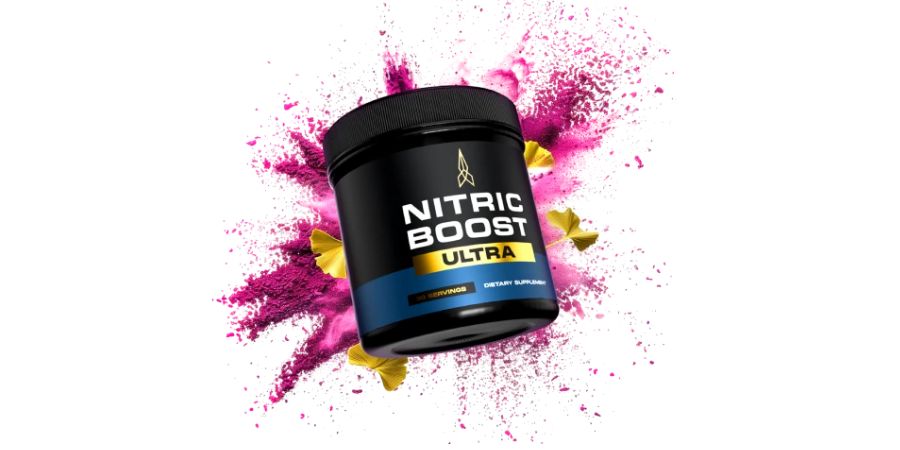
Verdict Upfront
Skip it — at least until they publish their dosages.
Nitric Boost Ultra is not a scam in the traditional sense — the ingredients are real, the facility is GMP-certified, and the underlying science of nitric oxide is legitimate. But this product has one dealbreaker that undermines everything else: it does not disclose exact ingredient dosages. Without knowing how much L-Citrulline, L-Arginine, Beetroot, or any other ingredient is in each serving, there is no way to confirm you are getting amounts supported by clinical research. For $69 a bottle, that is not acceptable.
Beyond the opacity, the product relies heavily on affiliate marketing dressed up as independent reviews, its brand “spokesperson” has been confirmed as a fictional character, and several of its botanical ingredients lack meaningful human clinical evidence. The foundation is fine. The execution leaves too much to speculation.
1. Who This Is For / Who Should Skip It
Who This Might Be For
- Men over 50 with no existing cardiovascular conditions, no current medications, and who understand they are buying a supportive supplement, not a pharmaceutical
- Those who have already optimized sleep, diet, and exercise, and want to layer in additional circulation support
- Anyone willing to wait 6–12 weeks to assess results, with no expectation of dramatic effects
Who Should Skip It Entirely
Men on blood pressure medication. Nitric Boost Ultra works by widening blood vessels through nitric oxide pathways. Combined with antihypertensive drugs, this can cause blood pressure to drop dangerously low. This is not a theoretical concern — it is a documented pharmacological interaction.
Men taking PDE5 inhibitors (Viagra, Cialis). Icariin, found in the Horny Goat Weed ingredient, is suspected to act on the same PDE5 pathway. Combining the two can amplify vasodilation to unsafe levels.
Men with diabetes. The formula contains D-Aspartic Acid and ingredients that influence hormonal pathways. Those on diabetes medication should consult a physician before adding any such supplement to their regimen.
Anyone expecting fast results. The brand implies meaningful improvements within days. The science does not support that timeline. Most nitric oxide supplements require consistent use over 4–8 weeks before measurable vascular changes occur.
Anyone under 18, or pregnant/nursing women. The product is marketed specifically at adult men and has not been tested in other demographics.
2. Ingredient Analysis With Cited Clinical Studies
The formula contains eight primary ingredients: L-Arginine, L-Citrulline DL-Malate, Beetroot Powder/Extract, Horny Goat Weed (Icariin), Dong Quai, Ginkgo Biloba, D-Aspartic Acid, and Niacin. Here is an honest assessment of each.
L-Arginine
The claim: Directly fuels nitric oxide synthesis by feeding the enzyme nitric oxide synthase (NOS).
The reality: L-Arginine has a fundamental bioavailability problem. When taken orally, up to 60–70% is broken down during first-pass metabolism in the liver and intestines before it ever reaches the bloodstream. This is well established in pharmacokinetics research and is why sports scientists have largely shifted away from standalone arginine supplementation in favour of L-Citrulline.
Even in clinical trials, oral L-Arginine at 1,500 mg/day showed no statistically significant difference versus placebo in treating erectile dysfunction (Klotz et al., 1999 — see References). The doses used in the best-performing studies tend to start at 3,000 mg and go significantly higher. Without knowing how much arginine is in Nitric Boost Ultra, there is no basis for confidence.
Verdict: Included for marketing reasons as much as clinical ones. L-Citrulline is the superior choice and is also in the formula — making standalone arginine partly redundant.
L-Citrulline DL-Malate
The claim: More bioavailable than L-Arginine; boosts nitric oxide more sustainably.
The reality: This is the strongest ingredient in the formula, and the science behind it is genuine. L-Citrulline bypasses first-pass metabolism entirely, travelling to the kidneys where it is converted to L-Arginine directly in the bloodstream. Research shows the minimum effective dose for raising circulating arginine levels is approximately 3 grams per day of pure L-Citrulline, with most performance benefits observed at 3–6 grams of pure L-Citrulline (or 6–8 grams of Citrulline Malate). A 2016 double-blind crossover study found that 2.4g/day over 7 days improved cycling time trial performance in trained males.
The catch: Nitric Boost Ultra lists L-Citrulline DL-Malate, which is a combination with malic acid. Malate versions contain less actual citrulline per gram than pure citrulline. And without disclosed amounts, we cannot know whether the dose reaches the 3g minimum threshold. Given that the formula also contains seven other ingredients in the same serving, it is plausible that citrulline is significantly underdosed — a common industry practice known as “pixie dusting.”
Verdict: Solid ingredient, unknowable dose.
Beetroot Powder/Extract
The claim: Rich in dietary nitrates that the body converts to nitric oxide.
The reality: Beetroot is genuinely well-studied. Research consistently shows it can reduce systolic blood pressure, improve exercise endurance, and support oxygen delivery to muscles. However, effective nitrate dosing in studies typically uses the equivalent of 300–500 ml of concentrated beetroot juice, which is a meaningful amount of nitrate. A proprietary blend serving may contain a token amount of beetroot powder — present on the label but physiologically insignificant.
Verdict: Good ingredient, highly likely underdosed given the multi-ingredient serving.
Horny Goat Weed (Icariin)
The claim: Boosts nitric oxide through PDE5 inhibition, similar to prescription ED medications.
The reality: This is where the marketing significantly outpaces the evidence. Icariin does appear to inhibit PDE5 in laboratory and animal studies, and there is preclinical cardiovascular research showing promise. However, clinical trials in humans are sparse, small in scale, and varied in quality. As of 2026, we do not have robust randomised controlled trials confirming meaningful erectile or circulatory benefits in humans at typical supplement doses.
More concerning: a published pharmacokinetics study (Brown et al., 2019) found that the oral bioavailability of icariin is low at all doses tested. Even at 1,680 mg, two participants discontinued due to gastrointestinal symptoms, and the authors concluded that different drug formulation and delivery methods may be needed to assess icariin’s effects adequately. Additionally, case reports in the medical literature have documented liver toxicity, cardiac arrhythmia, and severe muscle spasms associated with Epimedium (Horny Goat Weed) supplements.
Verdict: More animal study than human evidence. Real safety signals that the marketing ignores.
Dong Quai (Angelica sinensis)
The claim: Enhances circulation and provides anti-inflammatory support.
The reality: Dong Quai is primarily used in traditional Chinese medicine, predominantly to address menstrual and menopausal issues in women. Evidence for its benefit in male circulation specifically is thin. A small number of studies suggest weak vasodilatory effects, but nothing approaching the clinical robustness expected of a primary ingredient in a men’s performance product.
Verdict: Weak evidence base for the target demographic. Included more for label appeal than clinical necessity.
Ginkgo Biloba
The claim: Supports circulation and acts as an antioxidant protecting blood vessels.
The reality: Ginkgo has a genuinely long research history, and some evidence does support modest improvements in peripheral blood flow. However, Ginkgo Biloba is also a known anticoagulant — it inhibits platelet aggregation and can increase bleeding risk, especially when combined with other blood-thinning agents or supplements. The combination of Ginkgo with Horny Goat Weed and nitric oxide precursors in one formula compounds the interaction risk for anyone on anticoagulant or antiplatelet therapy.
Verdict: Plausible benefit, but adds to the drug interaction risk profile of this formula.
D-Aspartic Acid
The claim: Stimulates testosterone production to support hormonal health.
The reality: The evidence on D-Aspartic Acid (DAA) for testosterone is genuinely mixed and has grown more sceptical over time. Early studies showed modest short-term increases in LH and testosterone in untrained men. Subsequent research in resistance-trained men found no significant benefit, and some trials showed suppressed testosterone with higher doses. The hypothesised mechanism is not robust enough to position DAA as a reliable testosterone booster in the population this product targets.
Verdict: Overhyped. Evidence does not support the implied testosterone benefit.
Niacin (Vitamin B3)
The claim: Supports cardiovascular wellness and cholesterol management.
The reality: Niacin does have cardiovascular effects, and at high doses (1,500–3,000 mg/day) it is documented to raise HDL cholesterol. However, high-dose niacin therapy has fallen out of favour in mainstream cardiology due to mixed outcomes in large trials and a notable side effect — skin flushing — that occurs at pharmacological doses. Supplement-level niacin is unlikely to reach therapeutic cardiovascular doses and is largely a label-legitimising ingredient here.
Verdict: A legitimate vitamin at cardiology doses; likely present in cosmetic amounts here.
3. Dosage Assessment — Are the Amounts Actually Effective?
This is the single greatest weakness of Nitric Boost Ultra, and it cannot be overstated: the brand does not publicly disclose exact milligram amounts for its ingredients.
The official website and product labelling confirm the formula exists as a “proprietary blend,” with the total serving size and individual ingredient weights undisclosed. One independent review noted this directly: “Dose Transparency Note: Nitric Boost Ultra does not publicly disclose the exact milligram amounts of each ingredient. Without knowing doses, you can’t confirm you’re hitting clinically effective thresholds. That’s a real limitation worth acknowledging.”
What we know from clinical research:
- L-Citrulline: minimum 3g/day; performance benefits at 3–6g pure citrulline
- Beetroot: effective doses in studies use 300–500 ml concentrated juice equivalent
- L-Arginine: meaningful effects begin at 3g+, with much of it lost to metabolism anyway
- Ginkgo Biloba: typical studied doses are 120–240 mg/day
- Horny Goat Weed: low bioavailability even at 1,680 mg in human trials
If a formula fits all of these ingredients into one daily serving alongside Dong Quai, D-Aspartic Acid, and Niacin, and still reaches clinically effective doses across the board, the total serving size would need to be substantial. There is no evidence that this product achieves that. The most parsimonious explanation is that most ingredients are present at sub-therapeutic levels — an industry practice known as “pixie dusting,” where ingredients appear on the label to create consumer confidence but are present in amounts too small to have meaningful physiological impact.
4. Side Effect Profile With Evidence
Nitric Boost Ultra is not without risk. The following side effects are documented in clinical literature for the ingredients it contains:
Gastrointestinal distress: Both L-Arginine at higher doses and Icariin (Horny Goat Weed) at doses above 1,000 mg have been associated with nausea, diarrhoea, and gastrointestinal cramping in clinical studies. The 2019 icariin pharmacokinetics trial specifically noted GI symptoms as a reason for participant discontinuation.
Hypotension (dangerously low blood pressure): This is the most serious risk. Nitric oxide causes vasodilation — that is the point of the product. For individuals already managing blood pressure with medication, this synergistic effect can drop blood pressure to unsafe levels. The same applies to men taking PDE5 inhibitors, where the combination with Horny Goat Weed’s icariin creates compounded vasodilatory effects.
Cardiac arrhythmia: A published case report documented tachyarrhythmia (abnormal, elevated heart rate) in a 66-year-old man following Horny Goat Weed supplementation. While the individual was also taking multiple other medications, the interaction risk is real and documented.
Liver toxicity: A case report published in 2025 (PMC12459906) documented acute hepatotoxicity associated with Horny Goat Weed use, with the authors noting that icariin may cause liver injury through oxidative stress or immune-related mechanisms. A separate case linked the supplement to severe muscle spasms and significantly elevated creatine kinase levels.
Skin flushing: Niacin, even at moderate doses, can cause uncomfortable flushing in sensitive individuals.
Increased bleeding risk: The combination of Ginkgo Biloba (an anticoagulant) with other vasodilatory ingredients warrants caution for anyone on blood thinners, aspirin therapy, or scheduled for surgery.
5. Real User Experience
The honest picture of real-world user feedback is considerably less impressive than the testimonials on the official website.
Reviews aggregated from third-party platforms and independent forum analysis reveal two dominant negative patterns:
No results after 2–3 months: The most common complaint from dissatisfied users is that consistent daily use for 60–90 days produced no noticeable change in energy, performance, or circulation. This aligns with the dosage concerns above — if ingredients are sub-therapeutic, no amount of consistency will close the gap.
Refund difficulties: Despite the brand’s advertised 180-day (or in some versions, 60-day) money-back guarantee, users have reported inconsistent and slow customer service responses when attempting to claim refunds. Some describe the process as deliberately difficult. This is a recurring complaint across multiple review platforms.
The “Jack Jordan” fiction: Independent investigation revealed that the product’s spokesperson — “Jack Jordan,” the man whose personal story underpins the brand’s origin narrative — is a fictional character. A disclosure buried in the official website’s fine print confirms he is “a fictionalized character and is a pen name.” Any testimony, result, or story attributed to him is fabricated. This is ethically troubling and reflects poorly on the brand’s overall truthfulness.
Affiliate review saturation: The overwhelming majority of online reviews for Nitric Boost Ultra come from websites that earn a commission if you purchase through their link. These reviews are structurally incentivised to be positive and are not independent. Finding genuinely neutral analysis requires significant effort.
The placebo and lifestyle confound: Users who report positive results tend to be those who were simultaneously improving sleep, reducing alcohol, exercising more, and eating better. These lifestyle changes independently improve nitric oxide production and circulation. It is impossible to attribute their improvements specifically to the supplement versus the behavioural changes they made alongside it.
6. Frequently Asked Questions
Q: Is Nitric Boost Ultra FDA-approved? No. Like all dietary supplements sold in the United States, it is not FDA-approved. The brand claims to manufacture in an FDA-registered, GMP-certified facility, which means the facility has been inspected for safety standards — but this says nothing about whether the product itself is effective or accurately dosed.
Q: Can it replace Viagra or Cialis? No. The marketing language draws implicit comparisons to prescription PDE5 inhibitors, but this is misleading. Prescription drugs have been through rigorous double-blind clinical trials with statistically significant, reproducible results. Nitric Boost Ultra has not published any such trial on the finished product.
Q: Is the money-back guarantee reliable? The guarantee exists, but user complaints suggest the process can be difficult to navigate. Multiple independent reviewers have noted slow response times and inconsistency from customer service during high-volume periods. Verify the exact terms before purchase and retain all purchase documentation.
Q: Are there better alternatives? Yes. If you want the active ingredients in Nitric Boost Ultra with full dose transparency and without the markup, individual ingredients — particularly pure L-Citrulline at 3–6g/day, and standardised Beetroot extract — are available from reputable, third-party-tested brands at significantly lower cost. Brands that use transparent labelling (listing exact mg per ingredient, not proprietary blends) include Nutricost, NOW Foods, and Thorne Research.
Q: What about the counterfeit products on Amazon? The brand itself warns that Nitric Boost Ultra is not officially sold on Amazon, Walmart, or eBay, and that counterfeit versions exist on those platforms. This raises its own questions — if a supplement brand cannot control distribution of its own product and there is no reliable way for consumers to authenticate what they receive, this is a supply-chain integrity problem that the brand has not resolved.
Q: Should I talk to a doctor first? Yes, unambiguously. Particularly if you take any blood pressure medication, anticoagulants, diabetes drugs, hormonal therapy, or any PDE5 inhibitor. The vasodilatory mechanisms of this product interact with all of those drug classes, and the interaction risk is not trivial.
7. References / Citations
All clinical references link to publicly available PubMed or PMC records.
- L-Arginine and erectile dysfunction (placebo-controlled): Klotz T, et al. Effectiveness of oral L-arginine in first-line treatment of erectile dysfunction in a controlled crossover study. Urology International. 1999. https://pubmed.ncbi.nlm.nih.gov/10743698/
- L-Arginine in nitric oxide production and hypertension: Reckelhoff JF, Kellum JA, Blanchard EJ, Bacon EJ, Wesley AJ, Kruckeberg WC. Role of L-arginine in nitric oxide production in health and hypertension. Clinical and Experimental Pharmacology and Physiology. 1997. https://pubmed.ncbi.nlm.nih.gov/19076168/
- L-Citrulline cycling performance (double-blind crossover): Takeda K, et al. Oral L-citrulline supplementation enhances cycling time trial performance in healthy trained men. Journal of the International Society of Sports Nutrition. 2016. https://jissn.biomedcentral.com/articles/10.1186/s12970-016-0117-z
- Citrulline malate critical review (efficacy ambiguity): Gough LA, et al. A critical review of citrulline malate supplementation and exercise performance. European Journal of Sport Science. 2021. https://pmc.ncbi.nlm.nih.gov/articles/PMC8571142/
- Icariin human pharmacokinetics and tolerability: Brown ES, et al. Human Safety and Pharmacokinetics Study of Orally Administered Icariin: Randomized, Double-Blind, Placebo-Controlled Trial. Natural Product Communications. 2019. https://journals.sagepub.com/doi/10.1177/1934578X19856789
- Horny Goat Weed hepatotoxicity case report: Herb-Induced Liver Injury: A Case of Acute Hepatotoxicity Associated with Horny Goat Weed Use. PMC. 2025. https://www.ncbi.nlm.nih.gov/pmc/articles/PMC12459906/
- Epimedium toxicity — muscle spasms and elevated CK: Herba Epimedium (Horny Goat Weed) Toxicity With Severe Muscle Spasms and Elevated Creatine Kinase and Creatinine: A Case Report. PMC. 2025. https://pmc.ncbi.nlm.nih.gov/articles/PMC12182873/
- Horny Goat Weed cardiac arrhythmia case: Examine.com Research Breakdown on Horny Goat Weed (citing primary case literature). https://examine.com/supplements/horny-goat-weed/research/
- L-Arginine effectiveness review (clinical conditions/hypoxia): Kurhaluk N. The Effectiveness of L-arginine in Clinical Conditions Associated with Hypoxia. International Journal of Molecular Sciences. 2023. https://www.ncbi.nlm.nih.gov/pmc/articles/PMC10179183/
- L-Citrulline minimum effective dosing: Cleveland Clinic. L-Citrulline Supplement Benefits and Side Effects. https://health.clevelandclinic.org/citrulline-benefits
This review is written for informational purposes only and does not constitute medical advice. Always consult a qualified healthcare provider before starting any supplement, particularly if you take prescription medications or have any pre-existing health condition.