
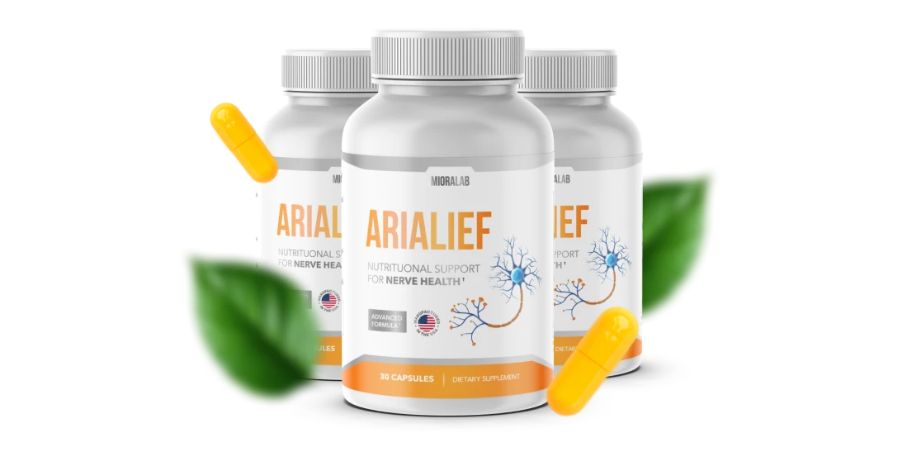
Verdict: Not Recommended
Save your money. Arialief is an aggressively marketed dietary supplement that piggybacks on real science without delivering it. Its formula contains ingredients that do have legitimate research behind them — but the doses are undisclosed, the formula itself has never been tested in a clinical trial, and the marketing ecosystem surrounding it is saturated with fake reviews, undisclosed affiliate content, and misleading claims. People living with genuine neuropathic pain deserve better than this.
Overall Rating: 2/10
| Category | Score |
|---|---|
| Ingredient Quality | 5/10 |
| Dosage Transparency | 0/10 |
| Clinical Evidence (Formula) | 0/10 |
| Marketing Honesty | 1/10 |
| Value for Money | 2/10 |
| User Experience (Real Reviews) | 3/10 |
Who This Is For / Who Should Skip It
You might consider it if:
- You have very mild, non-clinical nerve discomfort
- You have already ruled out serious underlying conditions with a physician
- You understand it is an unproven supplement, not a treatment
- You are willing to purchase individual ingredients (PEA, ALA) from transparent brands at verified doses for significantly less money
You should skip it if:
- You have been diagnosed with peripheral neuropathy, diabetic neuropathy, or sciatica — these conditions warrant medical care, not a supplement
- You are on blood thinners, diabetes medications, or blood pressure drugs (potential interactions with ALA and magnesium)
- You are pregnant or breastfeeding
- You expect results based on the marketing language (“relief within days,” “7-second nerve trick”)
- You are on a tight budget — $49–$60/month for a product with no disclosed doses is poor value
Ingredient Analysis
Arialief’s formula contains seven ingredients: Palmitoylethanolamide (PEA), Alpha Lipoic Acid (ALA), Magnesium Glycinate, Butcher’s Broom Extract, L-Carnitine, Coenzyme Q10 (CoQ10), and Turmeric Extract. Some of these have legitimate science behind them. The problem is how Arialief uses that science — selectively, misleadingly, and without transparency.
Palmitoylethanolamide (PEA) — The Star Ingredient
PEA is the most defensible ingredient in the formula, and it is where Arialief spends most of its marketing energy. A 2017 meta-analysis of 10 randomized clinical trials (786 patients) found PEA was associated with significantly greater pain reduction compared to inactive control conditions. The clinical doses used in these studies ranged from 300 to 1,200 mg/day, typically divided into two doses, and trials ran for 15 to 180 days.
Here is the critical issue: Arialief does not disclose how much PEA is in each capsule. The formula uses a “proprietary blend” trademark called “PrimePalm,” which is described vaguely as “a specialized form of PEA combined with other nerve-soothing components.” With two capsules per day (the recommended dose), there is no way for the consumer to know whether the PEA content is anywhere near the therapeutic range of 600–1,200 mg/day studied in clinical literature.
Furthermore, the bioavailability of PEA matters enormously. Research confirms that ultra-micronized or micronized PEA (PEAum) is significantly more bioavailable than standard PEA, and can be effective at lower doses. Arialief does not specify which form it uses.
Alpha Lipoic Acid (ALA) — Credible Ingredient, Problematic Application
ALA has some of the strongest evidence of any ingredient in the neuropathy supplement category. A meta-analysis of 27 randomized controlled trials supports 600 mg/day as the evidence-based oral dose for clinically meaningful improvement in neuropathic symptoms. Improvements in paresthesia, numbness, and burning sensations are particularly evident at this dose.
However, the American Academy of Family Physicians notes that while intravenous ALA (600 mg/day) meets the bar for clinical significance, the evidence for oral ALA is less conclusive — “minimal improvement in neuropathy symptoms compared with placebo, but did not meet the criteria for clinical significance.” This distinction matters. The research Arialief cites to support ALA largely involves IV administration, not oral capsules.
Again, Arialief does not disclose the ALA dose in its formula.
Magnesium Glycinate
Magnesium glycinate is a well-absorbed form of magnesium with a legitimate role in nerve function and muscle relaxation through modulation of NMDA receptors. Arialief’s own promotional content cites a “2021 University of Colorado study” claiming 41% reduction in sciatica intensity. This study cannot be independently verified — no published paper matching this description appears in PubMed or standard academic databases. This is a red flag.
Butcher’s Broom, L-Carnitine, CoQ10, Turmeric
These are all reasonable supporting ingredients with varying evidence for inflammation, circulation, and mitochondrial health. However, the evidence for each is either modest, context-dependent, or exists only at specific doses that — once again — Arialief does not disclose. Turmeric’s active compound (curcumin) is notorious for poor bioavailability in standard supplement form, and L-Carnitine’s neuroprotective evidence is largely from intravenous studies.
Dosage Assessment — Are the Amounts Actually Effective?
This is where Arialief most fundamentally fails.
The product contains a proprietary blend. This means the manufacturer lists the ingredients but does not disclose the amount of each individual ingredient. Consumers have no way to verify whether any single ingredient is present at a clinically meaningful dose.
To illustrate how significant this problem is:
| Ingredient | Clinically Studied Dose | Arialief’s Disclosed Dose |
|---|---|---|
| PEA | 300–1,200 mg/day | Undisclosed (“PrimePalm blend”) |
| Alpha Lipoic Acid | 600 mg/day (oral) | Undisclosed |
| Magnesium Glycinate | 200–400 mg/day (elemental Mg) | Undisclosed |
| L-Carnitine | 500–2,000 mg/day | Undisclosed |
| CoQ10 | 100–300 mg/day | Undisclosed |
A standard two-capsule serving delivers some finite amount of all seven ingredients. Given that PEA alone requires 300–1,200 mg at therapeutic doses, and a standard capsule holds roughly 500–700 mg of total powder, it is mathematically implausible that each ingredient is present at its full clinical dose in two capsules.
Proprietary blends are a well-documented practice used to minimize ingredient costs while allowing marketing copy to reference studies done on properly dosed, standalone ingredients. The clinical research belongs to the ingredients — not to Arialief’s blend.
Side Effect Profile
The individual ingredients in Arialief are generally well-tolerated, but there are important caveats:
PEA: Clinical trials report minimal adverse effects. The most common are mild digestive discomfort, nausea, and occasional drowsiness. No serious adverse events have been reported in human trials.
Alpha Lipoic Acid: Can lower blood sugar, which poses a risk for diabetic patients already on glucose-lowering medications. May interact with thyroid medications. High doses can rarely cause a thiamine deficiency. Nausea and skin rash have been reported.
Magnesium Glycinate: Generally safe, but excess magnesium can cause diarrhea, low blood pressure, and in rare cases cardiovascular effects. Those with kidney disease should consult a physician before use.
Turmeric/Curcumin: Can interact with blood thinners (warfarin, aspirin). May cause gastrointestinal upset in some individuals.
Drug Interactions: ALA + diabetes medication can cause hypoglycemia. Turmeric + blood thinners increases bleeding risk. Anyone on prescription medications should consult a physician before use.
Note: Because Arialief does not disclose ingredient doses, it is impossible to properly assess the risk of adverse effects or interactions. This is not a minor oversight — it is a meaningful safety concern.
Real users on neutral forums report stomach upset, headaches, and — most commonly — simply no effect.
Real User Experience
Filtering out the clearly staged and affiliate-generated reviews that dominate Google search results and GlobeNewswire press releases reveals a very different picture.
On independent consumer forums and Reddit, the pattern of genuine feedback is largely negative. Common themes include:
- No noticeable effect, even after 8–12 weeks of consistent use
- Refund difficulties: Multiple users report being unable to reach customer service to claim the advertised money-back guarantee, with refunds never processed despite requests
- Counterfeit and unauthorized products: Reports of buyers receiving incorrect products, missing safety seals, or products shipped from China via third-party sellers on Amazon and eBay
- Aggressive upsell tactics: Pressure to purchase multi-bottle bundles to qualify for guarantees
- Fake review ecosystem: The product’s presence is built almost entirely on undisclosed affiliate content — press releases published on GlobeNewswire and Yahoo Finance written and paid for by affiliates, review sites with no editorial independence, and social media content with unmarked sponsorship
One scam-tracking website reviewed the business practices behind one Arialief-branded domain and found it registered anonymously, containing only a sales video and purchase link, with no genuine independent feedback and multiple complaints about unreceived refunds.
This does not mean every Arialief product is counterfeit or that no one has experienced benefit — placebo effects in pain management are real and clinically documented. But the verified signal in unfiltered user reviews does not support the marketing claims.
Frequently Asked Questions
Q: Is Arialief FDA-approved?
No. No dietary supplement receives FDA approval. The “FDA-registered facility” language used in Arialief’s marketing refers only to the manufacturing site, not the product. The FDA has not evaluated whether Arialief is safe or effective.
Q: Are the ingredients in Arialief legitimate?
Several of the individual ingredients — particularly PEA and ALA — have genuine clinical research supporting their use for nerve pain. The problem is that Arialief does not disclose the amounts used, making it impossible to know whether they are present at effective doses.
Q: Why do so many review sites recommend Arialief?
The vast majority of positive Arialief reviews online are affiliate-driven. Review sites earn a commission when you click through and purchase. This creates a massive financial incentive to write glowing reviews, regardless of the product’s actual performance. GlobeNewswire press releases, which appear prominently in Google results, are paid promotional content — not independent journalism.
Q: Wouldn’t I be protected by the money-back guarantee?
In theory. In practice, multiple users report being unable to process refunds, reaching dead-end customer service contacts, or simply not receiving responses. A guarantee is only as good as the company’s willingness to honour it.
Q: Are there better alternatives for neuropathy?
Yes. For ingredient-level transparency, standalone PEA supplements (micronized, 600 mg) and standalone ALA (600 mg) can be purchased from reputable brands for a fraction of the cost. More importantly, anyone experiencing genuine neuropathy symptoms should seek medical evaluation — there are evidence-based pharmaceutical and non-pharmaceutical interventions with documented efficacy, and some causes of neuropathy (B12 deficiency, blood sugar dysregulation, thyroid dysfunction) are addressable at the source.
Q: Could Arialief work for some people?
It is possible — if the doses happen to be adequate, if an individual responds to the formula, or through placebo effect (which is a real and documented phenomenon in pain management). But paying $49–$60/month for an unknown dose of ingredients you could purchase transparently for much less is not a defensible value proposition.
Summary
Arialief is a case study in how legitimate science can be weaponised by supplement marketing. PEA and ALA do have meaningful clinical evidence — but that evidence was generated by rigorous trials using known doses of standalone ingredients, not a proprietary blend of undisclosed amounts sold at a premium with affiliate-driven reviews and refund guarantees that users report are difficult to claim.
If you are experiencing neuropathic pain, the money you would spend on Arialief is better directed toward:
- A physician visit to identify the underlying cause
- Evidence-based pharmaceutical options (pregabalin, duloxetine, gabapentin — with all their own caveats)
- Standalone, transparently dosed PEA or ALA supplements from reputable manufacturers if you prefer a nutritional approach
References & Citations
- PEA Meta-Analysis (2017) — Paladini A, et al. “Palmitoylethanolamide, a Special Food for Medical Purposes, in the Treatment of Chronic Pain: A Pooled Data Meta-analysis.” Pain Physician. https://pubmed.ncbi.nlm.nih.gov/28158148/
- PEA Dosage & Bioavailability — PMC Article on dose-dependent effects: https://pmc.ncbi.nlm.nih.gov/articles/PMC11354262/
- PEA Case Study for Post-Herpetic Neuralgia (900 mg/day) — https://pubmed.ncbi.nlm.nih.gov/34289728/
- Alpha Lipoic Acid — Meta-Analysis of RCTs for Diabetic Neuropathy — Mijnhout GS, et al. International Journal of Endocrinology. 2012. https://www.ncbi.nlm.nih.gov/pmc/articles/PMC3272801/
- ALA — AAFP Evidence Summary (oral vs IV efficacy) — American Academy of Family Physicians. https://www.aafp.org/pubs/afp/issues/2016/0501/p786.html
- ALA Systematic Review (DARE) — NCBIBookshelf. https://www.ncbi.nlm.nih.gov/books/NBK114396/
- ALA — ScienceDirect Systematic Review & Meta-Analysis (2026) — https://www.sciencedirect.com/science/article/pii/S1871402126000019
- PEA Trigeminal Neuropathy RCT (600 mg twice daily) — Shekhar A, et al. Cureus. 2024. https://www.ncbi.nlm.nih.gov/pmc/articles/PMC10963896/
- ALA in Diabetic Neuropathy — Landmark ALADIN Study — Ziegler D, et al. Diabetes Care. 1997. https://pubmed.ncbi.nlm.nih.gov/9285502/
- Arialief Scam Analysis — SupplementDolphin (consumer watchdog): https://www.supplementdolphin.com/arialief-scam/
- Arialief Nerve Health Supplement Exposed — MalwareTips (independent review): https://malwaretips.com/blogs/arialief-nerve-support-scam-exposed/
This review is for informational purposes only and does not constitute medical advice. If you are experiencing neuropathic symptoms, please consult a licensed healthcare provider.Share