
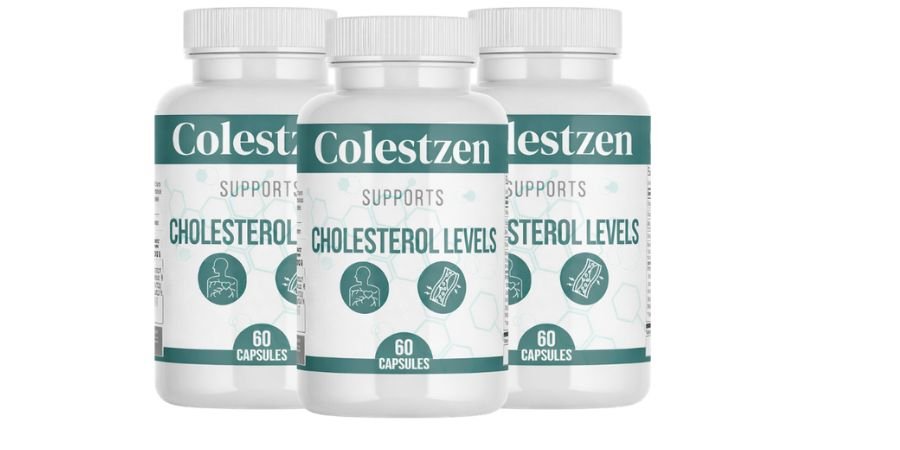
Verdict: Not recommended. ColestZen is a competently marketed but clinically unsubstantiated cholesterol/blood-sugar supplement. It combines ingredients that have some real research behind them at specific doses — but the company doesn’t disclose how much of each ingredient is actually in the capsule, which makes it impossible to know whether the formula matches the doses used in the studies it implicitly leans on.
Combined with a thin, unverifiable independent review footprint and at least one ingredient (licorice root) that carries a real interaction risk for exactly the population this product targets (adults over 35, some on blood pressure or heart medication), ColestZen is a pass for most buyers until the company publishes a full quantitative label.
Who This Is For — and Who Should Skip It
Might reasonably consider it:
- Adults with cholesterol or blood sugar already in the “normal but not optimal” range who want a low-risk addition to diet and exercise, understand it’s not a treatment, and don’t mind spending money on an unproven product as a lifestyle experiment.
- People not on any interacting medications (see Section 4) who have already talked to a doctor about their cardiovascular numbers and are looking for something to layer on top of established lifestyle changes, not in place of them.
Should skip it:
- Anyone with diagnosed high cholesterol, hypertension, diabetes, or existing heart disease who is looking for a substitute for statins, metformin, or other prescribed therapy. ColestZen’s own marketing states it is not intended to replace prescription medication.
- Anyone taking diuretics, blood pressure medication, corticosteroids, or digoxin — the licorice root in this formula has documented interactions with all of these (Section 4).
- Anyone pregnant, nursing, or under 18 — excluded by the brand’s own labeling.
- Buyers who want to know exactly what dose of each ingredient they’re taking before they commit money. As of this review, ColestZen has not published a quantitative supplement facts panel.
- Value-focused buyers uncomfortable with two-to-three-figure per-bottle pricing for a formula whose active-ingredient amounts are undisclosed.
Ingredient Analysis: What the Research Actually Shows
ColestZen lists 18 ingredients — nine botanicals and nine micronutrients — but does not publish milligram amounts for the individual ingredients, only the total capsule/serving size. That single fact undermines most of the analysis below: research on these ingredients is dose-dependent, and without a number, “contains bitter melon” and “contains a clinically effective amount of bitter melon” are not the same claim.
Bitter melon extract (Momordica charantia) The evidence here is genuinely mixed. A 2024 systematic review and meta-analysis of randomized controlled trials found no statistically significant effect of bitter melon over placebo on LDL, HDL, total cholesterol, fasting glucose, or HbA1c, and noted the underlying trials were short and underpowered.
A separate systematic review reached a more favorable conclusion, finding bitter melon reduced total cholesterol and triglycerides, with LDL benefits emerging mainly in diabetic or prediabetic subgroups using doses of 2,000 mg/day or less over 8 weeks or less. A small Japanese RCT that did show benefit used 300 mg/day of hot-water extract (100 mg three times daily). In short: possible modest benefit exists at specific studied doses in specific populations — but the evidence is inconsistent, and ColestZen doesn’t disclose its dose.
Cinnamon (bark) This is the best-supported ingredient in the formula. Multiple meta-analyses of randomized controlled trials — including one pooling 12 studies and 773 participants — found statistically significant reductions in total cholesterol, LDL, and triglycerides with cinnamon supplementation, particularly in people with type 2 diabetes or metabolic syndrome. Effect sizes are modest (LDL reductions in the range of roughly 4–12 mg/dL across different meta-analyses), and not every meta-analysis agrees — a 13-trial analysis found no significant LDL effect. Typical effective doses in trials range from roughly 1 to 6 grams/day. Again, ColestZen doesn’t state its dose.
Licorice root extract This is the ingredient that most concerns me from a safety standpoint (details in Section 4). One controlled trial did find that 0.2 g/day of licorice extract over 12 months improved carotid intima-media thickness and modestly lowered LDL and total cholesterol in people with hypercholesterolemia — so there is a plausible mechanism. But licorice’s glycyrrhizin content also has well-documented mineralocorticoid-like effects that can cause hypertension and dangerously low potassium, and case reports exist of this happening from supplement use specifically, not just candy.
Gymnema Sylvestre, banaba leaf, mulberry, yarrow, cayenne, juniper These botanicals have some traditional use and preliminary or animal-model evidence for blood sugar support (particularly gymnema and banaba), but none has the depth of human RCT evidence that cinnamon does, and none is dosed on the label.
Chromium Picolinate Has reasonably good evidence for modest blood sugar support, generally at doses of 200 mcg or more daily. A legitimate, low-risk micronutrient — but again, dose undisclosed here.
Alpha lipoic acid, L-taurine, vitamin C, vitamin E, biotin, magnesium, zinc, manganese Standard supporting nutrients with general metabolic/antioxidant rationale. Reasonable to include, unlikely to move the needle much on their own, and not the ingredients doing the marketing’s heavy lifting.
Bottom line on ingredients: two or three components (cinnamon, chromium, and arguably bitter melon and licorice) have real clinical literature behind them. But “an ingredient has evidence” and “this product will work” are different claims, and the gap between them is the undisclosed dose.
Dosage Assessment: Are the Amounts Actually Effective?
This is where ColestZen’s transparency claim breaks down. The brand advertises that its label lists all 18 ingredients by name with no hidden “proprietary blend” — which is true and is genuinely better than many competitors. But listing an ingredient’s name without its quantity provides almost the same practical problem as a proprietary blend: a reader still cannot compare the product to the clinical literature.
Using what’s publicly known:
- Bitter melon: effective study doses ranged from 300 mg/day up to 2,000 mg/day depending on the trial. Unknown in ColestZen.
- Cinnamon: effective study doses generally ranged from roughly 1,000–6,000 mg/day. Unknown in ColestZen.
- Alpha lipoic acid: studies showing blood-sugar benefit generally used 300–600 mg/day. Unknown in ColestZen.
- Chromium: benefit shown at roughly 200 mcg/day or more. Unknown in ColestZen.
With 18 ingredients packed into a two-capsule daily serving, there is a hard physical ceiling on how much of any single ingredient can realistically be included — two capsules typically hold somewhere around 1,000–1,600 mg combined, total, for all 18 ingredients plus fillers and capsule material. Even generously divided, that leaves little room for several ingredients to hit their individually studied effective doses simultaneously. This is a structural, not incidental, problem with “kitchen sink” formulas: the more ingredients a company adds to a fixed-size capsule, the less likely any single one is present at a clinically meaningful amount.
Assessment: unverifiable, and structurally unlikely to be sufficient across the board. Without a published quantitative label, this is the single most important reason for skepticism about the product’s real-world effectiveness.
Side Effect Profile — With Evidence
ColestZen’s marketing describes it as gentle and well-tolerated, and most of its individual ingredients are indeed low-risk for the general population at food-level exposure. But two evidence-based concerns stand out:
Licorice root and blood pressure/potassium. This is the clearest documented risk in the formula. Licorice’s glycyrrhizic acid inhibits an enzyme (11β-HSD2) that normally protects potassium and blood pressure regulation; chronic use is linked to hypokalemia, hypertension, and in rarer cases cardiac arrhythmia. Case reports in the medical literature describe this happening from licorice-containing supplements specifically — including one patient who developed severe hypokalemia and hypertension from a supplement containing roughly 900 mg of licorice extract per capsule, taken several times daily. ColestZen doesn’t publish its licorice dose, so buyers can’t assess their own exposure — and the exact population ColestZen targets (adults over 35, some already managing blood pressure) is the population most likely to be harmed by this interaction.
Bitter melon and blood sugar medication. Bitter melon has a real, if inconsistent, blood-sugar-lowering effect, which means it can theoretically compound the effect of diabetes medications and increase hypoglycemia risk — one more reason the label’s own “talk to your doctor if on diabetes medication” warning should be taken seriously rather than treated as boilerplate.
General GI effects. Cinnamon, bitter melon, and cayenne can all cause mild GI upset (heartburn, nausea, diarrhea) in some users, particularly at higher doses — again, unknowable here without label transparency.
What’s reassuring: a meta-analysis of bitter melon trials found no adverse effect on liver enzymes (ALT/AST) or kidney function (creatinine) compared to placebo, and most of the vitamin/mineral ingredients (vitamin C, E, biotin, magnesium, zinc, manganese) are low-risk at typical supplement doses. GMP-certified, FDA-registered facility manufacturing (which ColestZen has) also reduces contamination/mislabeling risk relative to unregulated sourcing, though it says nothing about whether the formula works.
Real User Experience: What the Independent Record Actually Shows
This is worth being straightforward about: there isn’t a reliable independent user-review record to draw from yet. Separate research conducted in July 2026 specifically looking for third-party evidence — Amazon listings, a Trustpilot profile, a named Reddit thread — found none of the three for ColestZen. That’s not necessarily a red flag on its own; plenty of legitimate new direct-to-consumer brands haven’t built up review-platform history yet. But it does mean the brand’s own advertised review count and star rating is, for now, uncorroborated by any platform an outside reader can independently check.
I’d also flag that a number of the “ColestZen reviews” pages currently ranking in search results read as templated marketing content rather than independent journalism — near-identical boilerplate language recurs across multiple unrelated-looking domains, and at least one “customer review” I found attributed to a named individual on a review-aggregator-style page had the generic, non-specific texture common to synthetically generated testimonials rather than an identifiable real complaint or praise with verifiable detail.
What this means practically: if you buy ColestZen, you are, at this point, an early data point rather than someone who can lean on a track record. That’s a legitimate reason for caution on its own, independent of the ingredient/dosage issues above.
Frequently Asked Questions
Is ColestZen FDA-approved? No. No dietary supplement is “FDA-approved” — the FDA does not approve supplements for safety or effectiveness before sale. ColestZen is manufactured in an FDA-registered, GMP-certified facility, which relates to manufacturing practices, not to whether the product works.
Can ColestZen replace my cholesterol or diabetes medication? No, and the company says so explicitly. Stopping or adjusting prescribed medication without your doctor’s involvement is not something a supplement label should influence.
How long before I’d notice results? The company doesn’t publish a specific timeline, and independent reviewers estimate a meaningful evaluation period of 60–90 days minimum, consistent with how long most of the underlying clinical trials on these ingredients ran. Given the dosage transparency issues above, it’s also possible a user would notice no effect regardless of how long they take it.
Is it safe to take with blood pressure medication? Talk to your doctor first. The licorice root in this formula has a documented interaction risk with diuretics, corticosteroids, and blood-pressure-lowering drugs via its effect on potassium and blood pressure regulation. Since the dose isn’t disclosed, neither you nor your doctor can precisely quantify the risk in advance.
Does ColestZen have a refund policy? The company advertises a 60-day money-back guarantee on its own site. As with any DTC supplement guarantee, read the fine print on shipping costs, return windows, and opened-bottle conditions before ordering multiple bottles.
Why doesn’t the company list ingredient amounts? This is not explained on the brand’s materials. It’s a common practice among newer supplement brands, sometimes for formulation flexibility or cost reasons, but it directly limits how useful any ingredient-level research (including this review) can be in predicting real-world effect.
The Bottom Line
ColestZen isn’t a scam in the sense of containing nothing — it’s a real, GMP-manufactured product built from ingredients that have genuine (if mixed) clinical literature behind them, particularly cinnamon. But “plausible ingredients” is a low bar. The company doesn’t disclose the one number that would let a buyer or a reviewer actually judge whether the formula matches the doses shown to work in research.
The independent review record is currently too thin to corroborate the brand’s own claims, and one ingredient (licorice root) carries a real, well-documented interaction risk for the exact demographic being marketed to. Until ColestZen publishes a full quantitative supplement facts panel, there’s no way to responsibly recommend it over cheaper, single-ingredient, clearly dosed alternatives (like a standardized cinnamon extract) — or, more importantly, over an actual conversation with a doctor about diet, exercise, and, if needed, proven medication.
References
- Kifle, Z.D. et al. “The metabolic effect of Momordica charantia cannot be determined based on the available clinical evidence: a systematic review and meta-analysis of randomized clinical trials.” Frontiers in Nutrition, 2024. PubMed
- “Effect of Bitter Melon Extracts on Lipid Levels in Japanese Subjects: A Randomized Controlled Study.” PubMed
- “The Effects of Bitter Melon (Momordica charantia) on Lipid Profile: A Systematic Review and Meta-Analysis of Randomized Controlled Trials.” Wiley/Phytotherapy Research. Link
- “Bitter Melon (Momordica charantia L.) Supplementation Has No Effect on Hypercholesterolemia and Atherosclerosis in Mice.” PubMed
- “Effects of Cinnamon Supplementation on Lipid Profile: A Systematic Review and Meta-Analysis of Randomized Controlled Trials.” PMC. Link
- “Effects of cinnamon supplementation on lipid profiles among patients with metabolic syndrome and related disorders: A systematic review and meta-analysis.” PubMed
- “The effects of cinnamon supplementation on blood lipid concentrations: A systematic review and meta-analysis.” ScienceDirect. Link
- Fogelman, Y., Gaitini, D., Carmeli, E. “Antiatherosclerotic effects of licorice extract supplementation on hypercholesterolemic patients.” Food & Nutrition Research, 2016. PMC
- “A Review of the Pharmacological Efficacy and Safety of Licorice Root from Corroborative Clinical Trial Findings.” PubMed
- “Licorice Root Supplement As A Cause Of Hypokalemic Hypertension.” PMC. Link
- “The Dark Side of Licorice Consumption.” Annals of Internal Medicine: Clinical Cases. Link
- “A Case of Hypokalemia Caused by the Consumption of Licorice-Containing Herbal Tea.” PMC. Link
- “ColestZen Review 2026: Label Transparency Issues and What the Evidence Actually Shows.” Link
- “ColestZen Reviews & Complaints 2026 – Is It Worth Trying? An 18-Ingredient Formula for Adults Over 35.” Link
- “ColestZen Publishes Ingredient Facts for Its 18-Ingredient Supplement Formula: Serving Directions and Safety Information for 2026.” Link
This article is for informational purposes only and is not medical advice. It has not been reviewed by a physician. Consult a qualified healthcare provider before starting any dietary supplement, especially if you take prescription medication or have an existing medical condition.